The Bahá’í Faith

For my international topic blog, I wanted to do a deep dive into one of the lesser-known religions/faiths in the world. Yesterday, there was an event hosted by the Bahá’í Association, and while I unfortunately could not attend the event, I did want to learn more about the faith as I had never heard of it before. 

The Bahá’í Faith originated in the mid 1800s in Persia, which is now Iran. A young merchant declared he had a message from God and called for spiritual and moral reformation. The merchant is known as The Báb, which translates to “The Gate” in Arabic. The main purpose of this religion is to unite humanity as one and treat one another with respect. The Bahá’í faith also believes that God has sent a series of divine educators to humanity, which include Abraham, Krishna, Buddha, Jesus, and Muhammad. These divine educators are known as the Manifestations of God, and their teachings have helped the advancement of civilization. The main divine educator of this era is known as Baha’u’llah. As mentioned, this faith believes in unifying humanity. It is believed that every human has an immortal soul, and our purpose is to progress spiritually by serving others. It is also believed that humans achieve their highest purpose through giving, whether that be time, energy, knowledge, etc. 

While this is a very brief overview, I enjoyed learning about this faith, as it is one I had not been familiar with previously. I hope to learn more about this faith by attending the events put on by the Bahá’í Association here at OU!

Chinese New Year 春節 with the Chinese Club

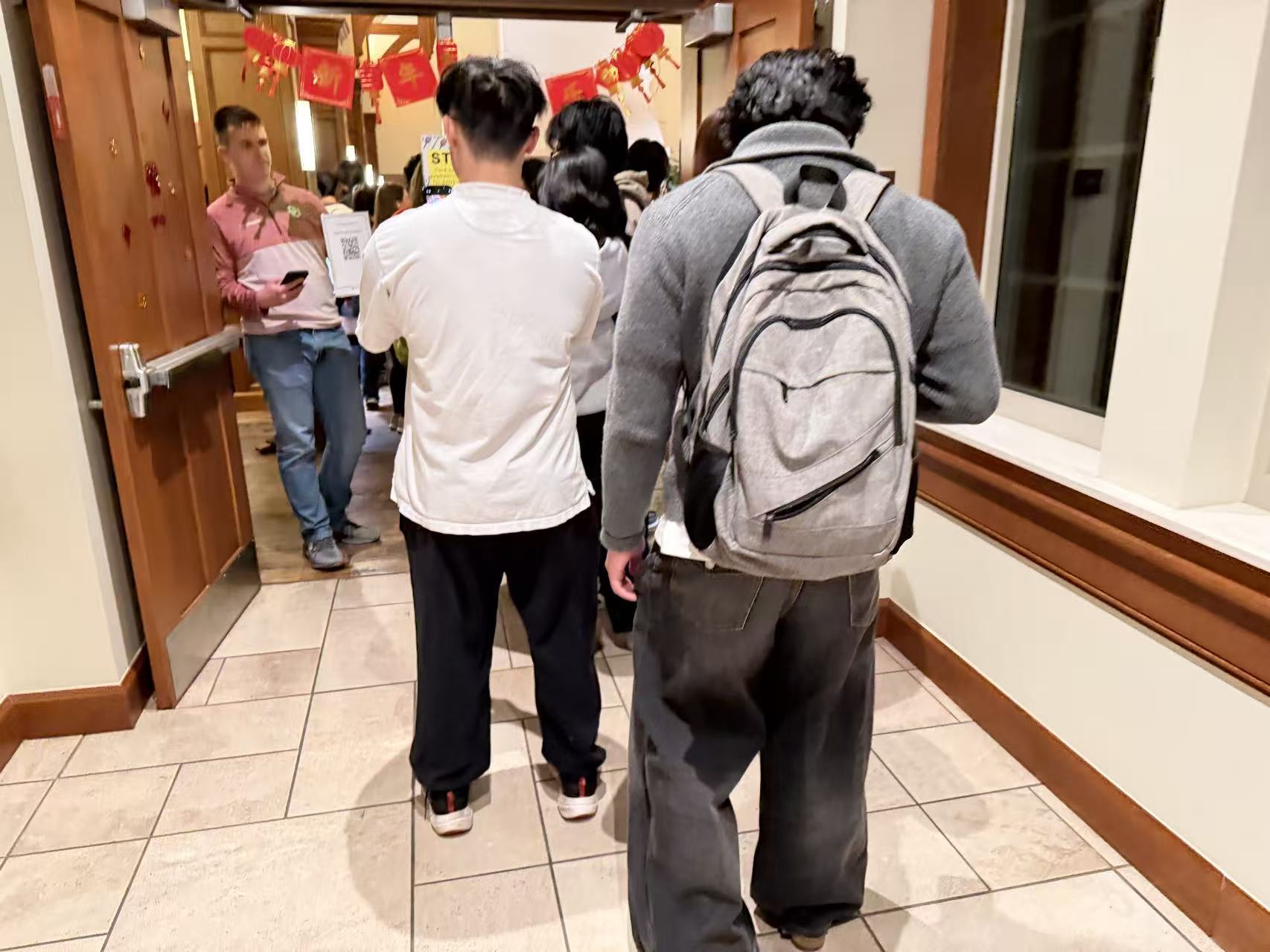
Every year, I go to all the Chinese Club events that I can possibly make it to. This year, my favorites have been Chinese New Year (春節) and Lantern Festival (元宵節). We started off the year strong with the Chinese New Year event put on by AASA and co-hosted with a whole bunch of orgs, including the Chinese Club. I helped at the Chinese Club table for part of the night, but I also enjoyed some time just hanging out with friends and eating food! We also did lots of calligraphy, some of which is still hanging in my house.


I always enjoy celebrating with the Chinese Club and my professors because they like to celebrate with us in ways that they would at home in China or Taiwan. Like many Chinese holidays, food is very important at 春節. People eat fish because the word for fish (魚 yú) sounds the same as the word for “surplus” or “abundance.” Dumplings are a common occurrence at the dinner table as well. 餃子 jiǎozi or dumplings look similar to old Chinese currency, symbolizing wealth coming into the new year. These are usually handmade, with all generations of the family taking part in the making of dumplings. Moon-shaped rice cakes (年糕 Niángāo) and glutinous rice ball soup are all common foods during the Spring Festival.

In Mandarin, people say “新年快樂 Xīnnián kuàilè,” which means “Happy New Year.” Another common phrase is “恭喜發財 Gōngxǐ fācái,” which people say to mean “may your new year be rich, happy, and prosperous.” Red envelopes, which contain money, are also given to children and unmarried young people during this holiday. 

Both the food we eat and the things we say and do are important during this holiday, and my Chinese friends and professors make sure I do them! Since I have been learning Chinese, I have celebrated with my classmates and teachers, many of whom have been from China and Taiwan. I have always loved getting to celebrate and share their culture. One thing I have always loved about celebrating the Spring Festival is how excited people are to share their experiences and culture with others. Because I have celebrated 春節 for many years, it has become something I treasure, and I am always excited about this time of year.

Thank you for reading!
Your sincere friend, Rose Crawford.

Washington DC Chinatown + National Museum of Asian Art

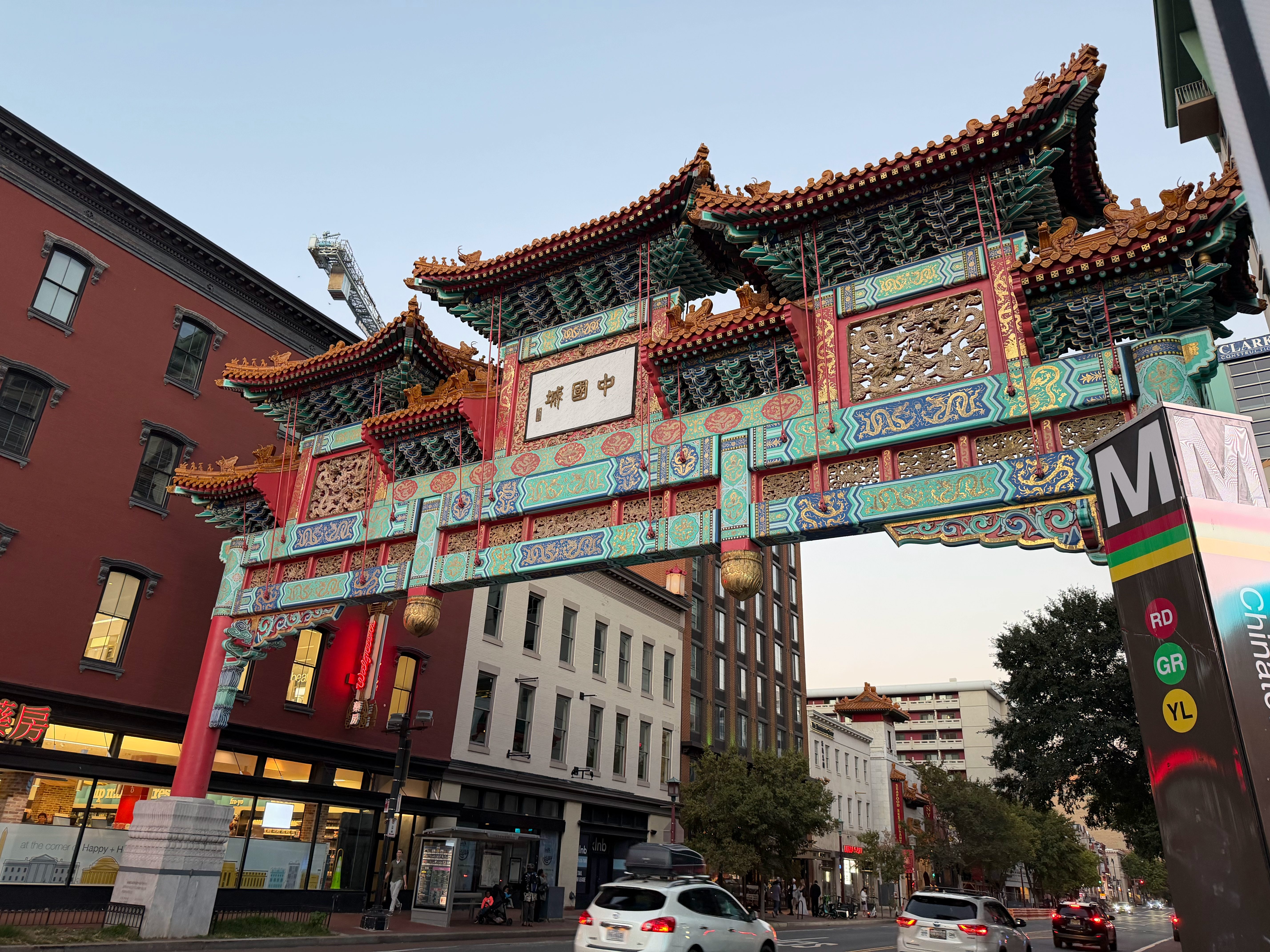
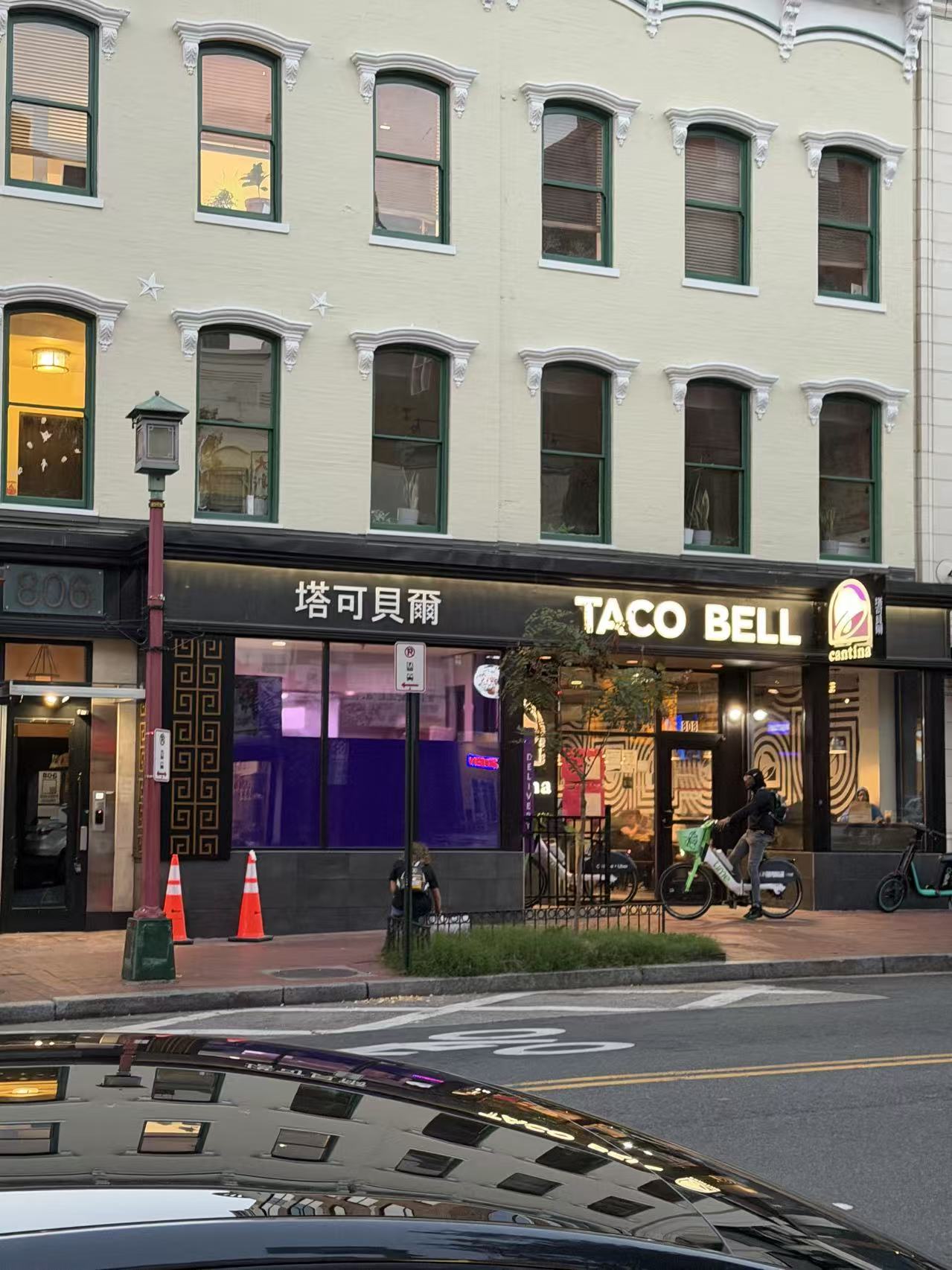
While in DC, I got to visit the DC Chinatown! I was so excited to get to eat some authentic Chinese and Taiwanese food. I miss it so much, and it’s pretty hard to find authentic Chinese food in Oklahoma… It was truly a Taiwanese-like experience. We sat at a table that was approximately 3 feet wide and on tiny stools, cramped in a corner. Felt truly like I was home in Taiwan again. The food was delicious, and I knew it was going to be because the daughter was sitting up front and yelled to her mother in Chinese that they had customers. I ended up talking to the 阿姨/老闆 (the first directly translates to auntie and the second to boss, but “boss” does not convey the same meaning, so auntie feels more correct!) in Chinese while my friend stood there awkwardly.

As well as going to the National Gallery and some other art museums, we went to the National Museum of Asian Art. We saw lots of amazing art, including some porcelain and jade pieces. I have seen so many of them in the National Palace Museum in Taiwan; these seemed slightly lackluster, though stunning nonetheless. Some of my favorite Chinese art is the long tapestries of watercolor or ink landscapes. I saw some in one of the galleries of the National Museum of Asian Art, which were actually Japanese, but the artist did them in the style of a specific Chinese painter. It is really interesting to see cultures impact each other! I have also been to a few talks about China’s influence put on by the College of International Studies that was really good as well. It focused more on the political side, but it is just as easy to see their influence when looking at other countries around them and seeing how Chinese culture has impacted and affected them. 

Thank you for reading! 

Your sincere friend, Rose Crawford. 

我好想念說中文!

前年我住在台灣,所以很明顯我會說很多中文,但現在我住在俄克拉荷馬,說中文的人不多,好可惜。我好想念說中文,我經常用中文給我的台灣朋友發短信,但我不經常給她們打電話說中文,因此我注意到我的中文每天都在變差。這讓我很惱火哈哈。所以為了保護我的中文水準,或至少試著,我申請當中文家教。每星期我去中文會說社會的會議。

在中文說社會的回憶我們討論很多的東西,無論話題是什麼,我們都可以談論它,或者試著談論它(中文很難哈哈哈)。我們平常討論音樂,因為我和一位中文老師都喜歡聽韓國的流行團的音樂。我的一次去了,我們發現了在台灣我們去了一樣的男團音樂會,這真是一個很好笑的巧合。我和另一個人在同一個大學管弦樂隊,所以我們談論我們的音樂以及它有多難。我們還經常抱怨我們的數學課。

雖然中文會說社會每週只有一次,但我認為這是很好的練習!我也喜歡和其他參加的人聊天和共度時光。

祝好, 郭玫瑰

Translation:

I really miss speaking Chinese!

Two years ago, I was living in Taiwan, so naturally, I spoke a lot of Chinese; however, I now live in Oklahoma, where there aren’t many Chinese speakers—which is such a pity. I really miss speaking Chinese. I often text my Taiwanese friends in Chinese, but I don’t frequently call them to speak it; consequently, I’ve noticed that my Chinese is getting worse every day. This makes me very annoyed—haha. So, to preserve my Chinese proficiency—or at least try to—I applied to become a Chinese tutor. Every week, I attend the Chinese Club’s Conversation Hour.

At Conversation Hour, we talk about a lot of different things. No matter what the subject is, we can talk about it—or at least give it a try! (Chinese is hard, haha.) We often discuss music because one of the Chinese Professors and I both like K-pop groups. The first time I went to Conversation Hour, we realized that we had gone to the same K-pop boy group concert in Taiwan, which is a funny coincidence. Another attendee and I are in the same university orchestra, so we talk about our music and how difficult it is. We also frequently complain about our math classes.

Although Conversation Hour is only once a week, I believe that it really helps me practice! I also enjoy chatting and spending time with the other participants.

Best wishes, Rose M Crawford

AAPI Heritage Month Kickoff

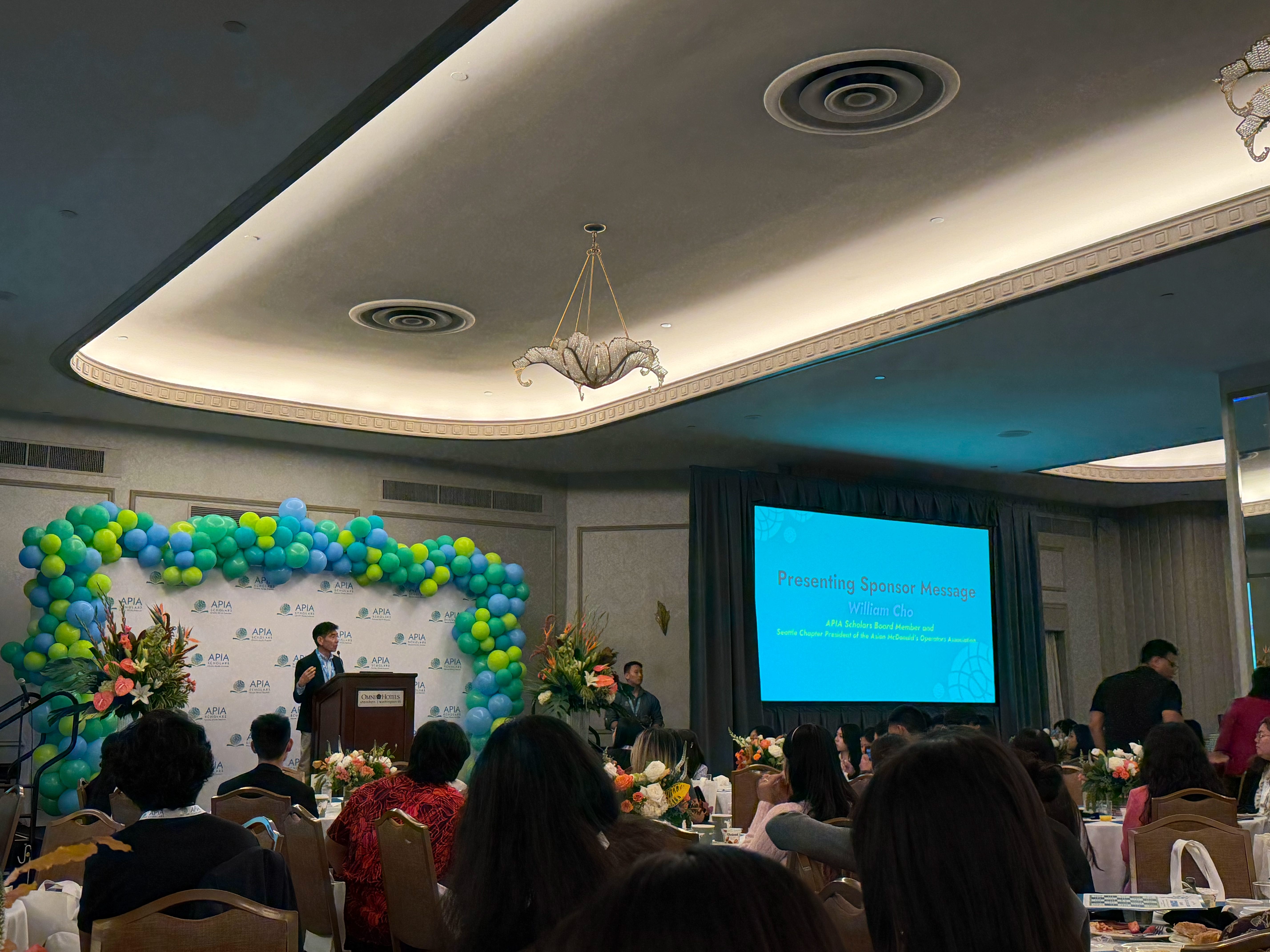
Last week, I attended the Asian American Student Association’s Asian American and Pacific Islander Heritage Month. Even though AAPI Heritage Month is not until May, AASA wanted to get a head start and celebrate in April so students could enjoy the festivities before the semester ends. AAPI Heritage Month celebrates the culture and impact of Asian Americans, Native Hawaiians, and Pacific Islanders. AAPI Heritage Month was officially established in 1992 to celebrate the accomplishments of Asian Americans and Pacific Islanders. The month of May was chosen for this heritage month because May was when the first Japanese immigrants came to the United States, and also when the first transcontinental railroad was completed, and the labor of Chinese immigrants was a huge factor in it. This is a brief overview of the month, and we continue to celebrate these groups for their ever-growing accomplishments. The event featured lots of cultural food, such as samosas, fried rice, matcha, and more. They also had crafting tables to connect the community, where we could decorate traditional fans and more. It was also cool to see everyone in their cultural attire, which showed the diversity of clothing and traditions. Since this event served as the kickoff for AAPI Heritage Month, throughout April, AASA will be hosting a number of events to celebrate and highlight AAPI culture and impact. Some of these events will be hosted by the Filipino Student Association, Vietnamese Student Association, Korean Student Association, and more. These events serve to highlight the variety of AAPI cultures and countries.

Art History Discussion from my time in DC!

Early in my time at OU, I took a class called Gods and Heroes in Art, and it was probably one of the coolest classes I have ever taken. I was a mix of art appreciation and art history, as well as Greek and Roman history. As we learned about Greek and Roman gods, heroes, and general history, we also looked at artwork that depicted these stories and people. I learned a lot about Greek and Roman history, obviously, but I also learned so much about artistic movements, techniques, and how and why types of art evolved and changed. 

Over spring break, I took a trip with my best friend to Washington, D.C. (and got to see a study abroad friend and family!!) and got the opportunity to go to lots of art museums, including the National Gallery of Art. I ended up getting to see so many of the paintings we had talked about in class! I had such a lovely time seeing those pieces, as well as identifying and understanding many other art pieces. Here is my attempt to show some of the cool paintings I saw and tell a little about them!

I saw lots of various Rococo art, which is definitely one of my favorite movements we studied. I ended up going back to a couple of different rooms and just sitting in for a bit. I saw the Abduction of Europa and The Birth of Venus by Jean Françios de Troy both of which I loved and were so pretty I could have stared at them for ages. Rococo is characterized by its pastel colors and excess of floral and natural elements, as well as little floating cherubs everywhere. It was a movement following the Baroque period, where everything had lots of strong value contrast and dark hues, and consequently, Rococo art countered many of the intense Baroque characteristics. 

Philemon and Baucis by Rembrandt van Rijn is a great example of the Baroque movement. It is a very dark piece, so getting to see it in person and truly see all the details of texture and shadows that you cannot see very well in a picture was super cool. I didn’t appreciate the piece very much in class, but in person it was great! I was also there with friends, and I enjoyed being able to discuss the styles and movements as well as the stories behind some of the depictions. 

Both Venus and Adonis by Titian and The Judgment of Paris by Peter Paul Rubens were paintings I immediately recognised. The details, texture, and brushstrokes were so cool to be able to see in person! The Judgment of Paris by Rubens is a Baroque piece; it has lots of emotions and very Baroque body styles. Venus and Adonis by Titian is a Mannerism piece, even though it has some Baroque and High Renaissance elements. Mannerism is usually characterized by exaggerated and unnaturally elongated qualities. 

This was definitely one of the coolest classes I’ve taken, and it made a large impact on my joy and love for art. It has been lovely being able to understand the techniques and styles of art I see in everyday life! 

Some pictures from the museum!

Thanks for reading!

Your sincere friend, Rose Crawford

Colombian Night: By Kaavya Manjunath

Yesterday, I attended the Colombian Student Association’s annual Colombian Night. This was my first time attending this event, so I was very excited. For their 25th anniversary, the theme was “Legends that Bind Us: A Quarter-Century of Tradition”. The event consisted of a show that brought Colombian stories and myths to the stage. This was truly such a fun event, and I am glad I got to learn more about Colombian culture. 

The show had various musical and dance performances that told the story of traditional myths in Colombian culture. We were given a pamphlet that explained the background of the stories performed. The first performance was El Dorado and La Gallanita De Los Huevos De Oro. The story goes as told: When a new ruler comes to power, the native people (the Muisca) gather at Lake Guatavita, which is a sacred lake. The ruler’s body is covered in gold dust and sails across the river on a raft with treasure, and these gold treasures were offered to the lake to honor the gods. Because of this ritual, Spanish explorers thought this city was filled with gold. In the story of La Gallanita De Los Huevos De Oro, a greedy farmer kills his hen, thinking there was gold inside, as the hen lays gold eggs. But after killing the hen, he loses his source of wealth. This story was performed as a “merengue campesino danced in carranga style”. Another performance I enjoyed was the salsa dance, specifically El Diablo en Juanchito. The Salsa dance originated in Cali, Colombia, and consists of fast footwork and spins. In the story of El Diablo en Juanchito, in a nightclub, an elegant man appeared and danced with a woman. When she looked down, she saw he had hooves. Then, the smell of sulfur filled the nightclub when the man disappeared, and everyone knew the Devil had been there. Another performance that was fascinating was the story of El Mohán, who is considered the guardian of rivers and caves. El Mohán also seduces women, steals from fishermen, and loves tobacco. This myth came from the Magdalena River region. The show also had other performances from various dance groups and singers.

Colombian Night 2026 was truly an event to remember, and I enjoyed learning about these myths and legends, as this was something I had never known before. I am glad I was able to celebrate the 25th anniversary of COLSA and learn more about the rich culture of Colombia.

Another Sick Lunar New Year!

My third year at OU, only the 2nd time I have found out about the AASA Lunar New Year Celebration at the last minute. Somehow it crept up on me despite the fact that I always go and I started talking about Lunar New Year in December. At my friend Fiona’s house over break we discussed the year of the horse, which is her sister’s birth year. Her mom read us some nice Chinese proverbs about the horse, but we pressed her to find good ones about the monkey, which is our birth year. Whereas the horse proverbs read “When a horse arrives, instant success”, sayings referencing monkeys seem to have lower praise. Some memorable ones for me: “Monkey head monkey brain” and “When the tiger leaves the mountain, the monkey calls himself king”.

Fiona celebrated at UMich already, and sent me this picture a few weeks ago. She said she spun a wheel and answered a riddle to win it an Asian Student Association activity.

I am here to write this blog post for all my dutiful fans ( my friends know about this blog but very few of them have looked to find it, they feigned outrage when I said none of my posts were public anymore.) and for future me, who would find it easier to write about events sooner after they happen.

My friend Savanna and I planned to go, and at the last minute I convinced my friend Logan to come as well! It was great to have them with me to mill around.

Every year I get here super early and just have to wait for the food and performances, so I went up to the Tapioka magazine booth again. At the booth we pestered Erik, the creative director and later MC, about the magazine. Last year the guy at the booth was really confusing, so it was only in the last 5 minutes of talking to Erik that it was clear the magazine was not actually in print physical copies. Also I don’t think he had read it himself. It is really cool that students can come together to make something like that, and he said they did get money allotted to them from the AASA this year to print and distribute some magazines, which is cool!

After half an hour, we got food, sat down and I noticed the girls behind us were speaking German. I summoned all my courage and the deep knowledge that if my mom were here, she would have 10000% have made me talk to them, and turned around and asked, in German, if they were German. This sounds stupid but it is a super easy way to indicate that you speak it, and it IS always possible they are from Austria or something! I talked to them a bit, asked why they were here (study abroad), what they were studying (to be teachers), and they said they had met one of the German instructors, Frau Preuss, also because she had heard them speaking German and came up to them. It wasn’t the longest or greatest conversation because the room was loud and I had to turn fully in my seat to speak with them, but I’m glad I did it and I never have to wonder what could have been…

We stayed for the dance and musical performances, unfortunately there were pervasive microphone technical issues, but the performers were all great! I never entered in a raffle, and I vow to make sure I do and to be able to stay until the very end next year. Happy Year of the Horse! Instant success!

Welcome to GEF’s New Blog Site!

All GEF students are required to keep an E-Portfolio during their time with the Fellowship. Below are the requirements for all students:

  • While Studying on Campus, students must publish the following:
    • Five Blog Posts Per Semester – Minimum 250 word count each
      • Two must be on International Events attended each semester
      • Two must be on an international topic of their choice
      • One must be about their OU International Student Organization
        • If you are not a part of an organization yet (mostly applies to freshman), you can write on the ones that you have explored!
  • While Studying Abroad, students must publish the following:
    • Long Term Study Abroad Students – must post at least twice each month about their experiences / each minimum 250 word count
    • Short Term Study Abroad Students – can post about their experiences the semester after they have gone abroad to count towards their five blog posts per semester requirement!

Please know that this is a shared blog site for all Global Engagement Fellows to publish their blogs on! We look forward to reading your blogs!