元宵節(lantern festival)

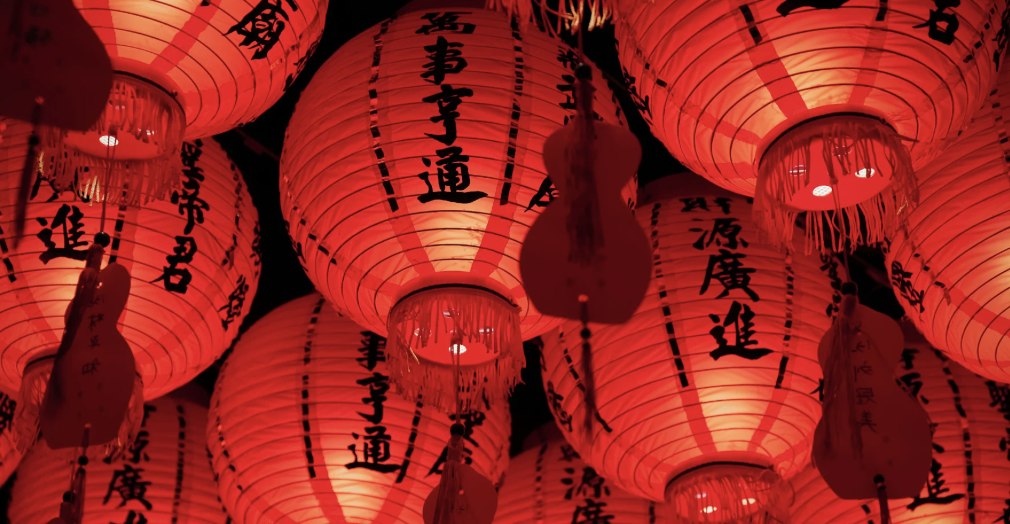
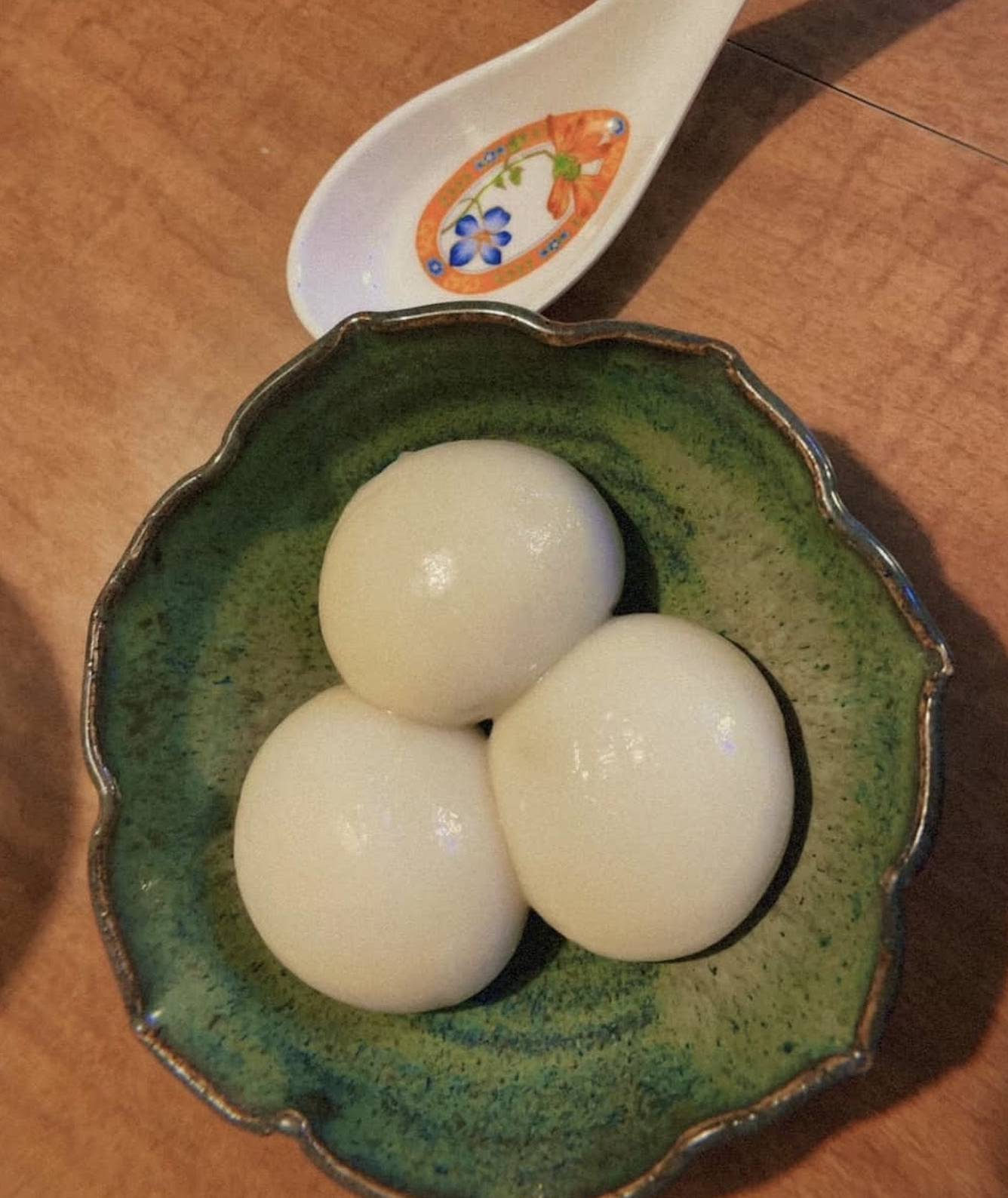
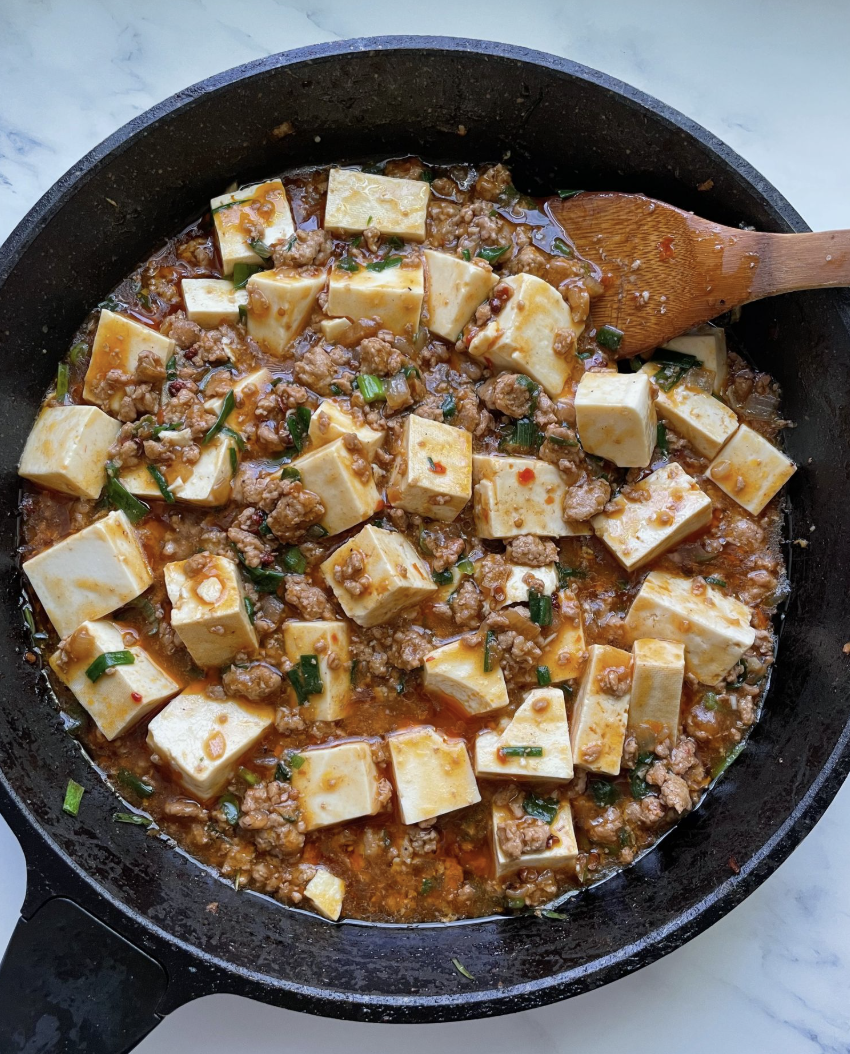
每年我都會寫了一篇關於元宵節(和很多其他中文社會的活動)的博客文章,所以今年我覺得我沒有什麼新東西要告訴你們。這主要是我在中文社會元宵節與人們共度時光的紀錄。今年我們在台灣交換老師帶了台灣小吃和糖果,比如大白兔奶糖。我們還做了一個手工藝品, 小小紙做的燈籠。外面上我們寫祝福中文成語,比如 ‘身體健康’、 ‘學業有成’、萬事如意、等等。中文社會也在這次活動中提供了食物。我的一位中文教授帶來了她自己做的裝滿黑芝麻醬的湯圓,這是我最喜歡的,所以我很興奮。中文社會還從當地一家中餐館購買了實物。我們吃了青豆、炒飯、麻浦豆腐、等等。我總是喜歡和朋友聊天,更多的了解中國文化,吃好吃的食物。

祝好, 郭玫瑰
Translation:

Every year, I write a blog post about the Lantern Festival (plus many other events hosted by the Chinese Club), so this year, I feel I don’t have much new material to share with you. This post serves primarily as a record of the time I spent with others at the Chinese Club’s Lantern Festival celebration. This year, our exchange teacher from Taiwan brought along various Taiwanese snacks and candies, such as White Rabbit Candies. We also worked on a craft project: making small paper lanterns. On the outside of these lanterns, we inscribed auspicious Chinese idioms, phrases wishing for things such as “good health,” “academic success,” “all your wishes come true,” and so on. The Chinese Club also provided food for the event. One of my Chinese professors brought in tangyuan (sweet sticky rice balls) that she had made herself, filled with black sesame paste; since these are my absolute favorite, I was absolutely thrilled. Additionally, the Chinese Society ordered food from a local Chinese restaurant. We enjoyed dishes such as green beans, fried rice, Mapo tofu, and more. I always enjoy chatting with friends, learning more about Chinese culture, and eating delicious food.
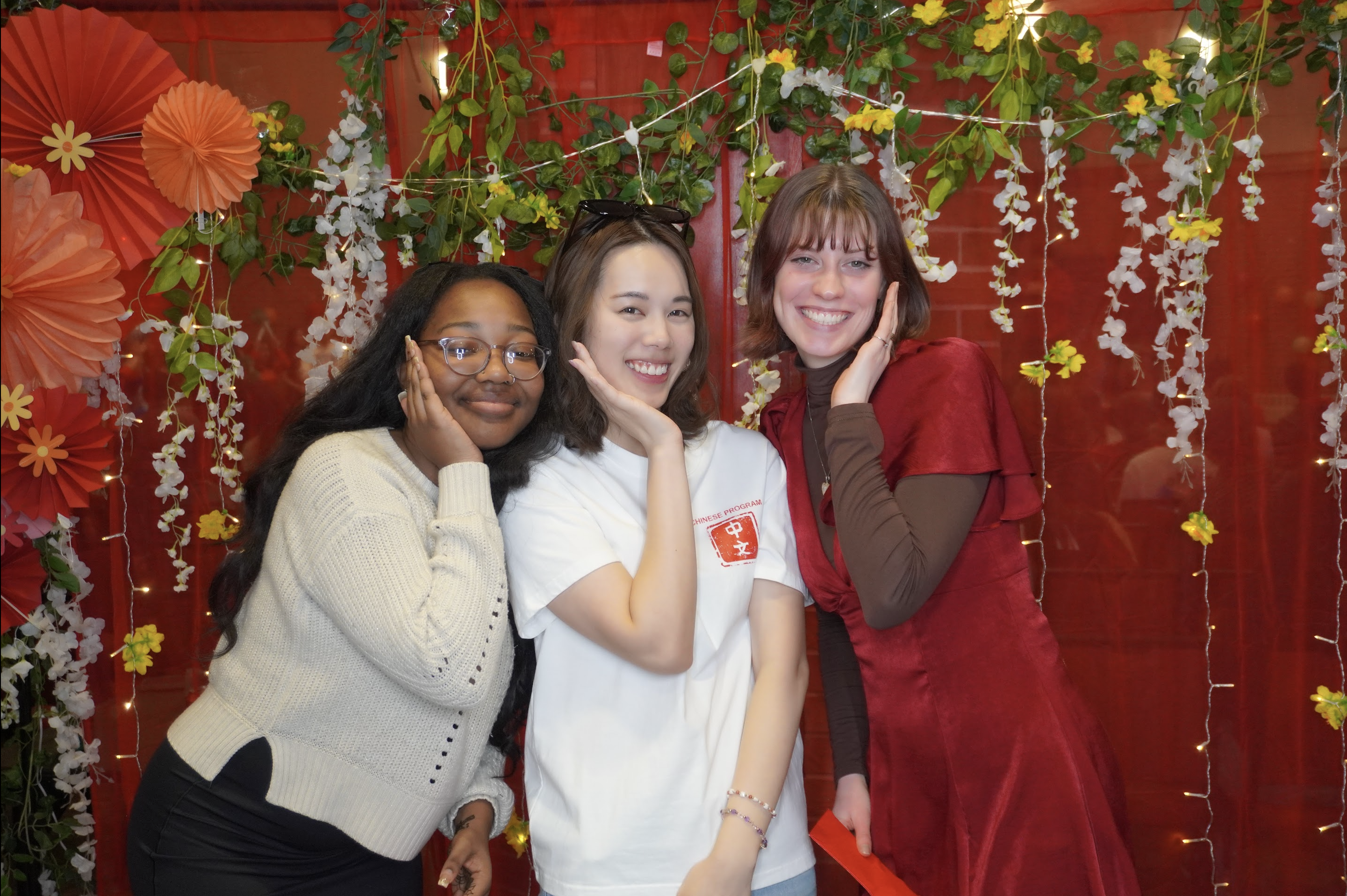
Chinese New Year 春節 with the Chinese Club

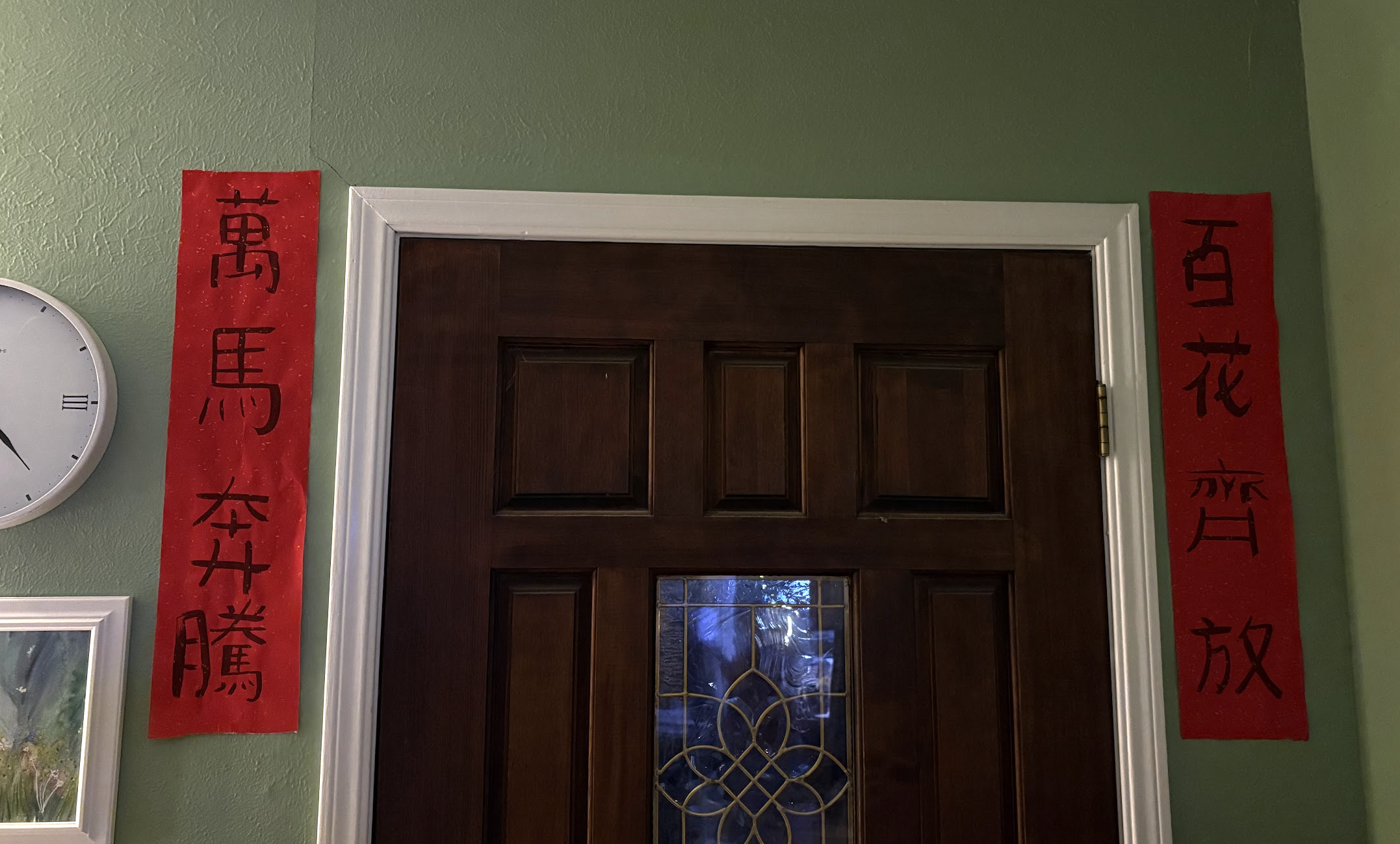
Every year, I go to all the Chinese Club events that I can possibly make it to. This year, my favorites have been Chinese New Year (春節) and Lantern Festival (元宵節). We started off the year strong with the Chinese New Year event put on by AASA and co-hosted with a whole bunch of orgs, including the Chinese Club. I helped at the Chinese Club table for part of the night, but I also enjoyed some time just hanging out with friends and eating food! We also did lots of calligraphy, some of which is still hanging in my house.


I always enjoy celebrating with the Chinese Club and my professors because they like to celebrate with us in ways that they would at home in China or Taiwan. Like many Chinese holidays, food is very important at 春節. People eat fish because the word for fish (魚 yú) sounds the same as the word for “surplus” or “abundance.” Dumplings are a common occurrence at the dinner table as well. 餃子 jiǎozi or dumplings look similar to old Chinese currency, symbolizing wealth coming into the new year. These are usually handmade, with all generations of the family taking part in the making of dumplings. Moon-shaped rice cakes (年糕 Niángāo) and glutinous rice ball soup are all common foods during the Spring Festival.

In Mandarin, people say “新年快樂 Xīnnián kuàilè,” which means “Happy New Year.” Another common phrase is “恭喜發財 Gōngxǐ fācái,” which people say to mean “may your new year be rich, happy, and prosperous.” Red envelopes, which contain money, are also given to children and unmarried young people during this holiday. 

Both the food we eat and the things we say and do are important during this holiday, and my Chinese friends and professors make sure I do them! Since I have been learning Chinese, I have celebrated with my classmates and teachers, many of whom have been from China and Taiwan. I have always loved getting to celebrate and share their culture. One thing I have always loved about celebrating the Spring Festival is how excited people are to share their experiences and culture with others. Because I have celebrated 春節 for many years, it has become something I treasure, and I am always excited about this time of year.

Thank you for reading!
Your sincere friend, Rose Crawford.

Washington DC Chinatown + National Museum of Asian Art

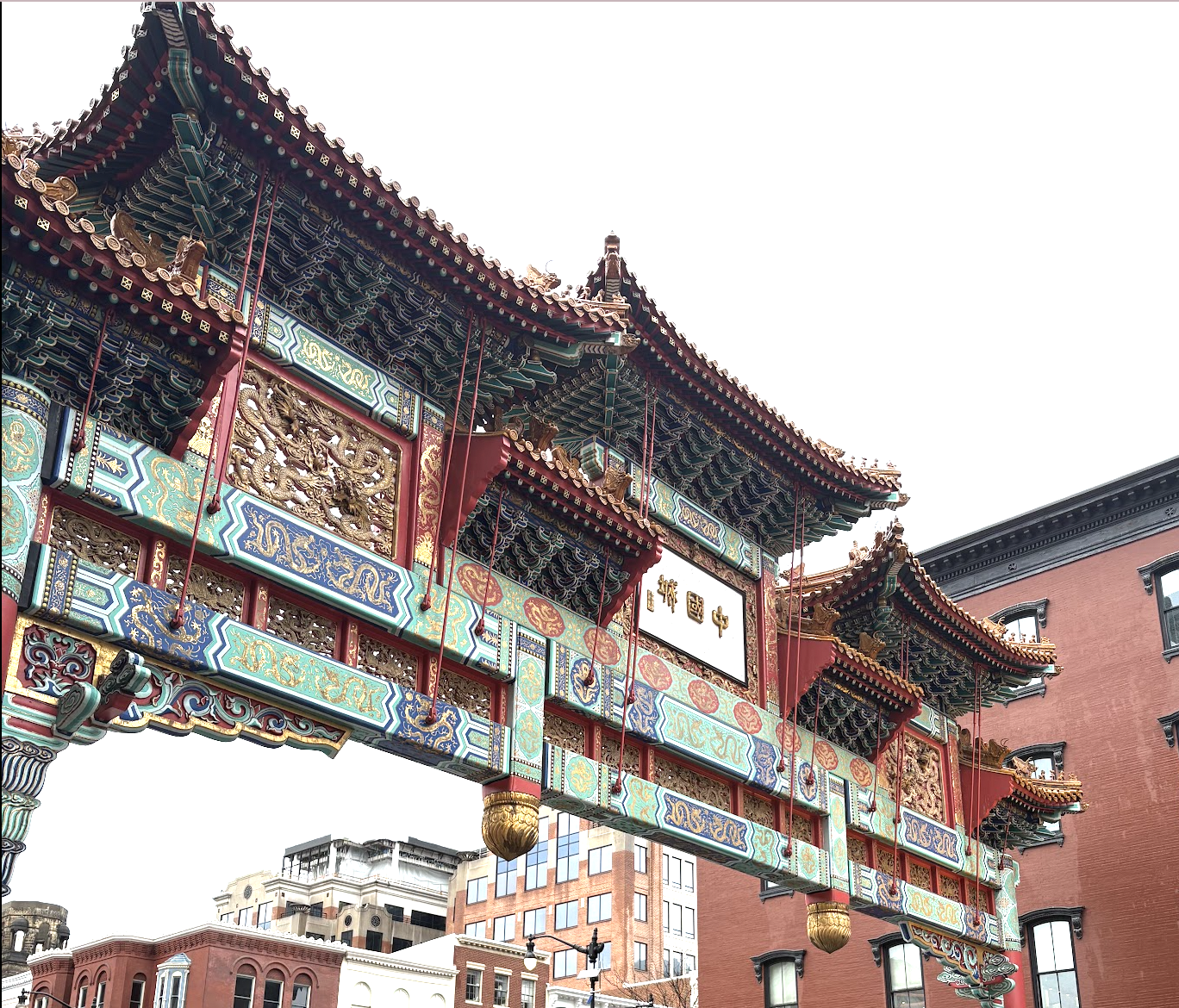
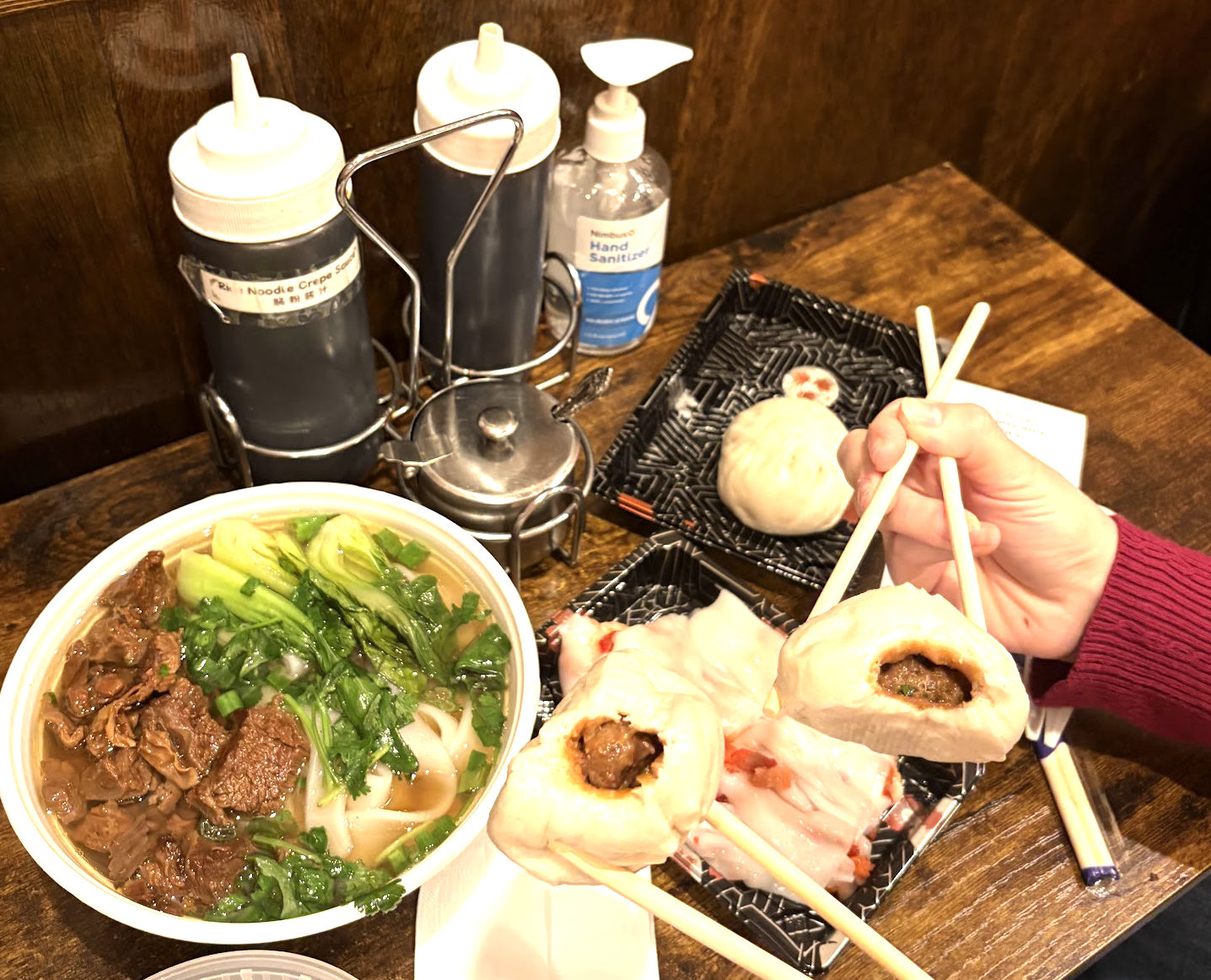
While in DC, I got to visit the DC Chinatown! I was so excited to get to eat some authentic Chinese and Taiwanese food. I miss it so much, and it’s pretty hard to find authentic Chinese food in Oklahoma… It was truly a Taiwanese-like experience. We sat at a table that was approximately 3 feet wide and on tiny stools, cramped in a corner. Felt truly like I was home in Taiwan again. The food was delicious, and I knew it was going to be because the daughter was sitting up front and yelled to her mother in Chinese that they had customers. I ended up talking to the 阿姨/老闆 (the first directly translates to auntie and the second to boss, but “boss” does not convey the same meaning, so auntie feels more correct!) in Chinese while my friend stood there awkwardly.

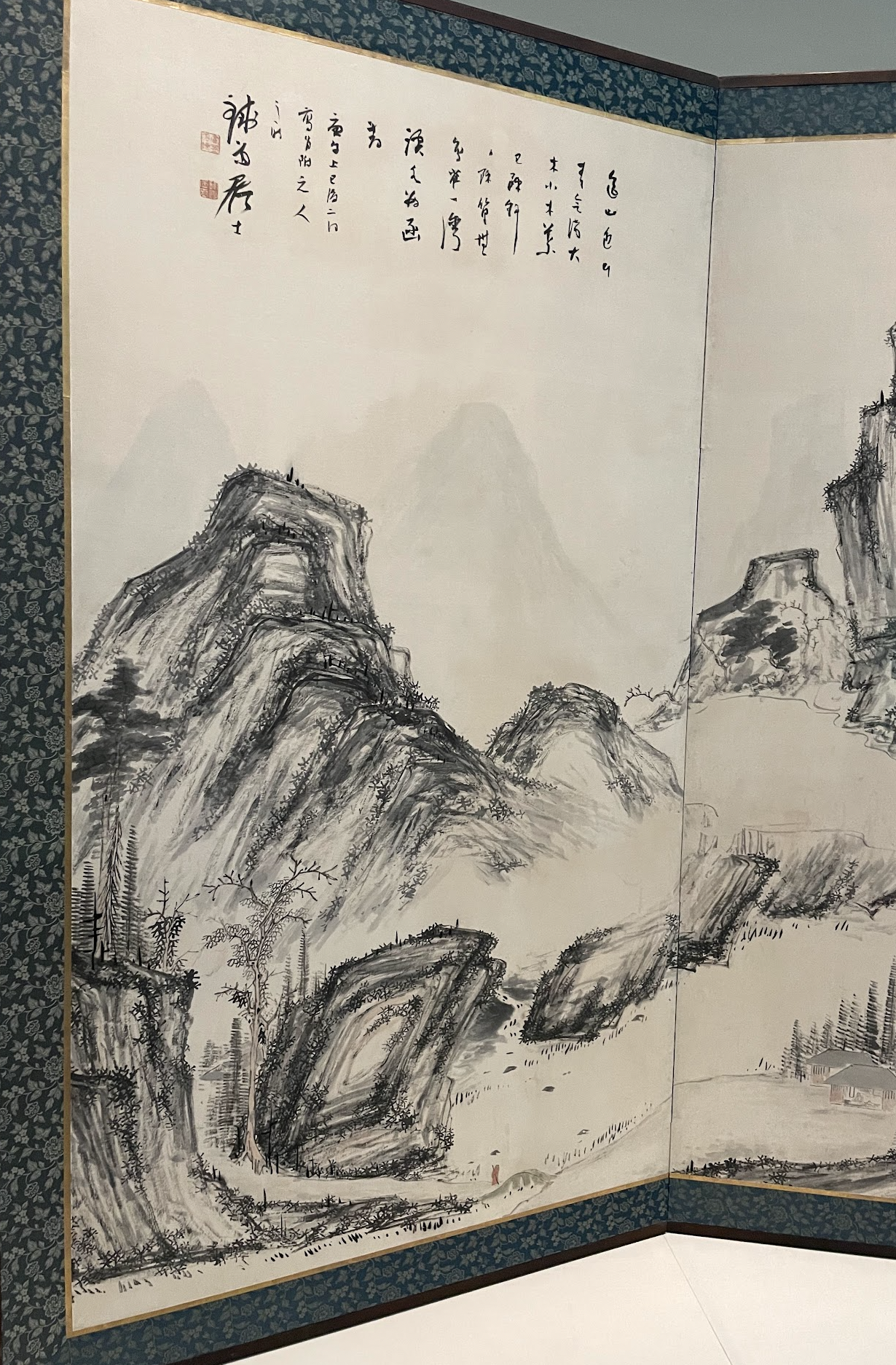
As well as going to the National Gallery and some other art museums, we went to the National Museum of Asian Art. We saw lots of amazing art, including some porcelain and jade pieces. I have seen so many of them in the National Palace Museum in Taiwan; these seemed slightly lackluster, though stunning nonetheless. Some of my favorite Chinese art is the long tapestries of watercolor or ink landscapes. I saw some in one of the galleries of the National Museum of Asian Art, which were actually Japanese, but the artist did them in the style of a specific Chinese painter. It is really interesting to see cultures impact each other! I have also been to a few talks about China’s influence put on by the College of International Studies that was really good as well. It focused more on the political side, but it is just as easy to see their influence when looking at other countries around them and seeing how Chinese culture has impacted and affected them. 

Thank you for reading! 

Your sincere friend, Rose Crawford. 

我好想念說中文!

前年我住在台灣,所以很明顯我會說很多中文,但現在我住在俄克拉荷馬,說中文的人不多,好可惜。我好想念說中文,我經常用中文給我的台灣朋友發短信,但我不經常給她們打電話說中文,因此我注意到我的中文每天都在變差。這讓我很惱火哈哈。所以為了保護我的中文水準,或至少試著,我申請當中文家教。每星期我去中文會說社會的會議。

在中文說社會的回憶我們討論很多的東西,無論話題是什麼,我們都可以談論它,或者試著談論它(中文很難哈哈哈)。我們平常討論音樂,因為我和一位中文老師都喜歡聽韓國的流行團的音樂。我的一次去了,我們發現了在台灣我們去了一樣的男團音樂會,這真是一個很好笑的巧合。我和另一個人在同一個大學管弦樂隊,所以我們談論我們的音樂以及它有多難。我們還經常抱怨我們的數學課。

雖然中文會說社會每週只有一次,但我認為這是很好的練習!我也喜歡和其他參加的人聊天和共度時光。

祝好, 郭玫瑰

Translation:

I really miss speaking Chinese!

Two years ago, I was living in Taiwan, so naturally, I spoke a lot of Chinese; however, I now live in Oklahoma, where there aren’t many Chinese speakers—which is such a pity. I really miss speaking Chinese. I often text my Taiwanese friends in Chinese, but I don’t frequently call them to speak it; consequently, I’ve noticed that my Chinese is getting worse every day. This makes me very annoyed—haha. So, to preserve my Chinese proficiency—or at least try to—I applied to become a Chinese tutor. Every week, I attend the Chinese Club’s Conversation Hour.

At Conversation Hour, we talk about a lot of different things. No matter what the subject is, we can talk about it—or at least give it a try! (Chinese is hard, haha.) We often discuss music because one of the Chinese Professors and I both like K-pop groups. The first time I went to Conversation Hour, we realized that we had gone to the same K-pop boy group concert in Taiwan, which is a funny coincidence. Another attendee and I are in the same university orchestra, so we talk about our music and how difficult it is. We also frequently complain about our math classes.

Although Conversation Hour is only once a week, I believe that it really helps me practice! I also enjoy chatting and spending time with the other participants.

Best wishes, Rose M Crawford

Art History Discussion from my time in DC!

Early in my time at OU, I took a class called Gods and Heroes in Art, and it was probably one of the coolest classes I have ever taken. I was a mix of art appreciation and art history, as well as Greek and Roman history. As we learned about Greek and Roman gods, heroes, and general history, we also looked at artwork that depicted these stories and people. I learned a lot about Greek and Roman history, obviously, but I also learned so much about artistic movements, techniques, and how and why types of art evolved and changed. 

Over spring break, I took a trip with my best friend to Washington, D.C. (and got to see a study abroad friend and family!!) and got the opportunity to go to lots of art museums, including the National Gallery of Art. I ended up getting to see so many of the paintings we had talked about in class! I had such a lovely time seeing those pieces, as well as identifying and understanding many other art pieces. Here is my attempt to show some of the cool paintings I saw and tell a little about them!

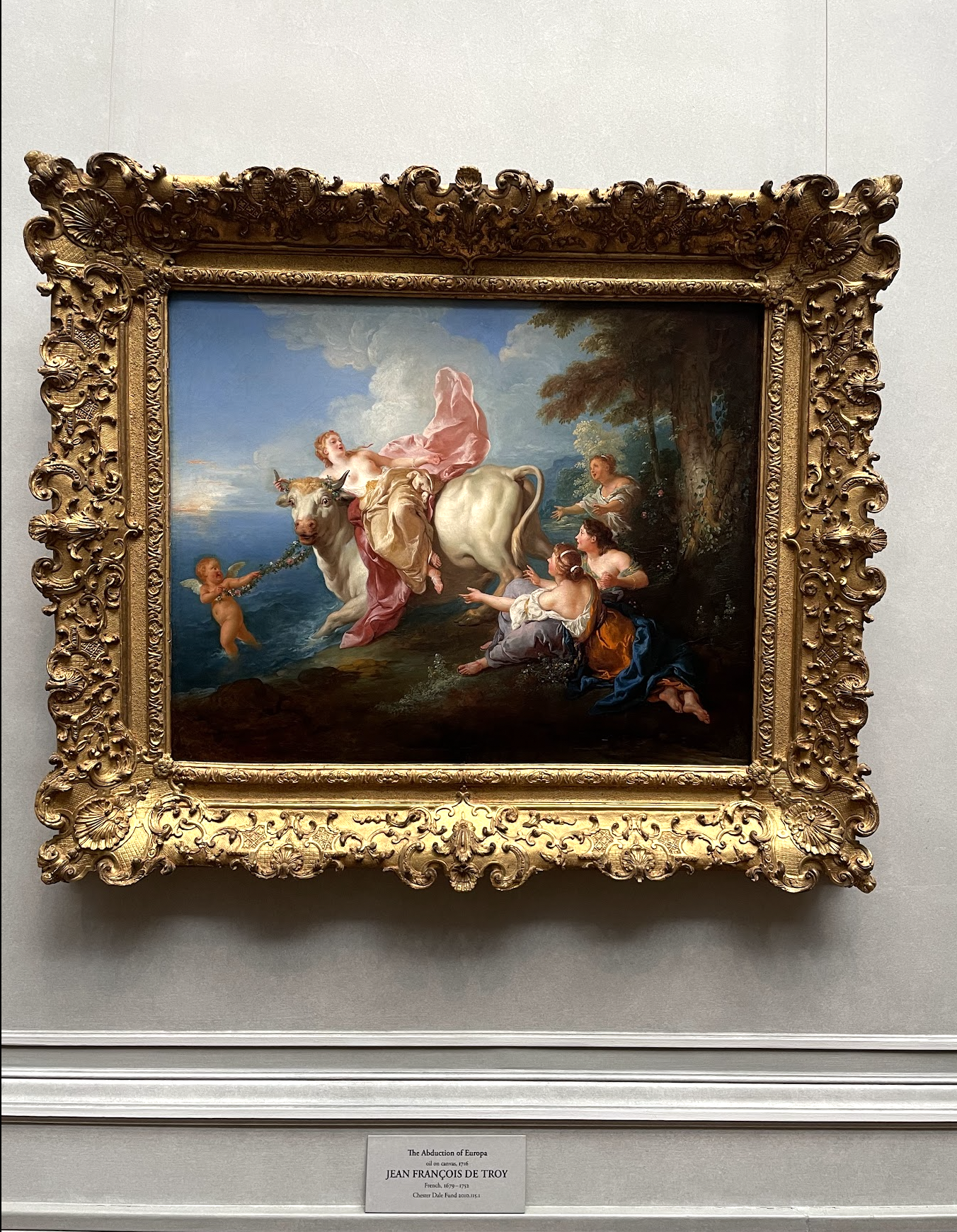
I saw lots of various Rococo art, which is definitely one of my favorite movements we studied. I ended up going back to a couple of different rooms and just sitting in for a bit. I saw the Abduction of Europa and The Birth of Venus by Jean Françios de Troy both of which I loved and were so pretty I could have stared at them for ages. Rococo is characterized by its pastel colors and excess of floral and natural elements, as well as little floating cherubs everywhere. It was a movement following the Baroque period, where everything had lots of strong value contrast and dark hues, and consequently, Rococo art countered many of the intense Baroque characteristics. 

Philemon and Baucis by Rembrandt van Rijn is a great example of the Baroque movement. It is a very dark piece, so getting to see it in person and truly see all the details of texture and shadows that you cannot see very well in a picture was super cool. I didn’t appreciate the piece very much in class, but in person it was great! I was also there with friends, and I enjoyed being able to discuss the styles and movements as well as the stories behind some of the depictions. 

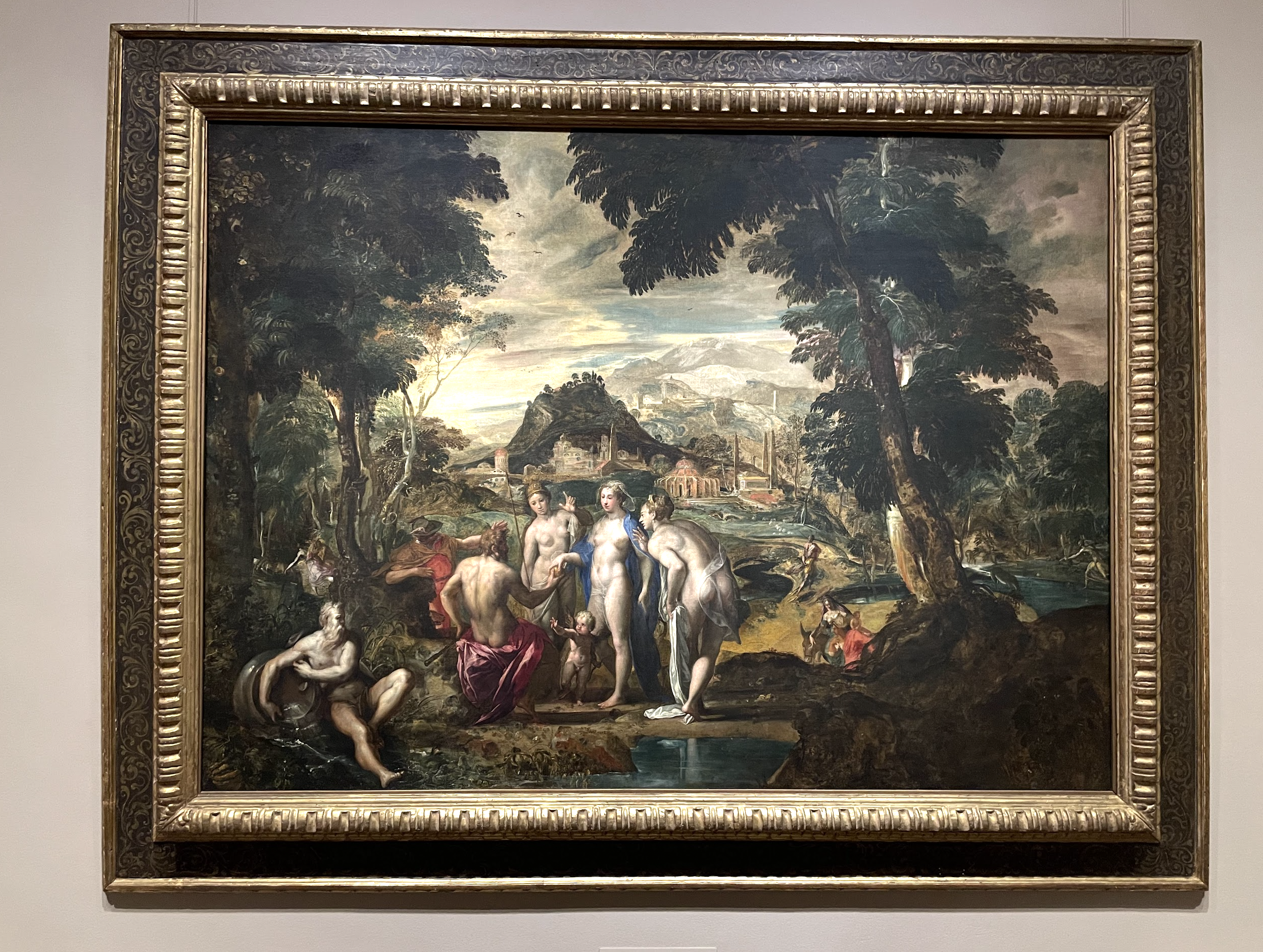
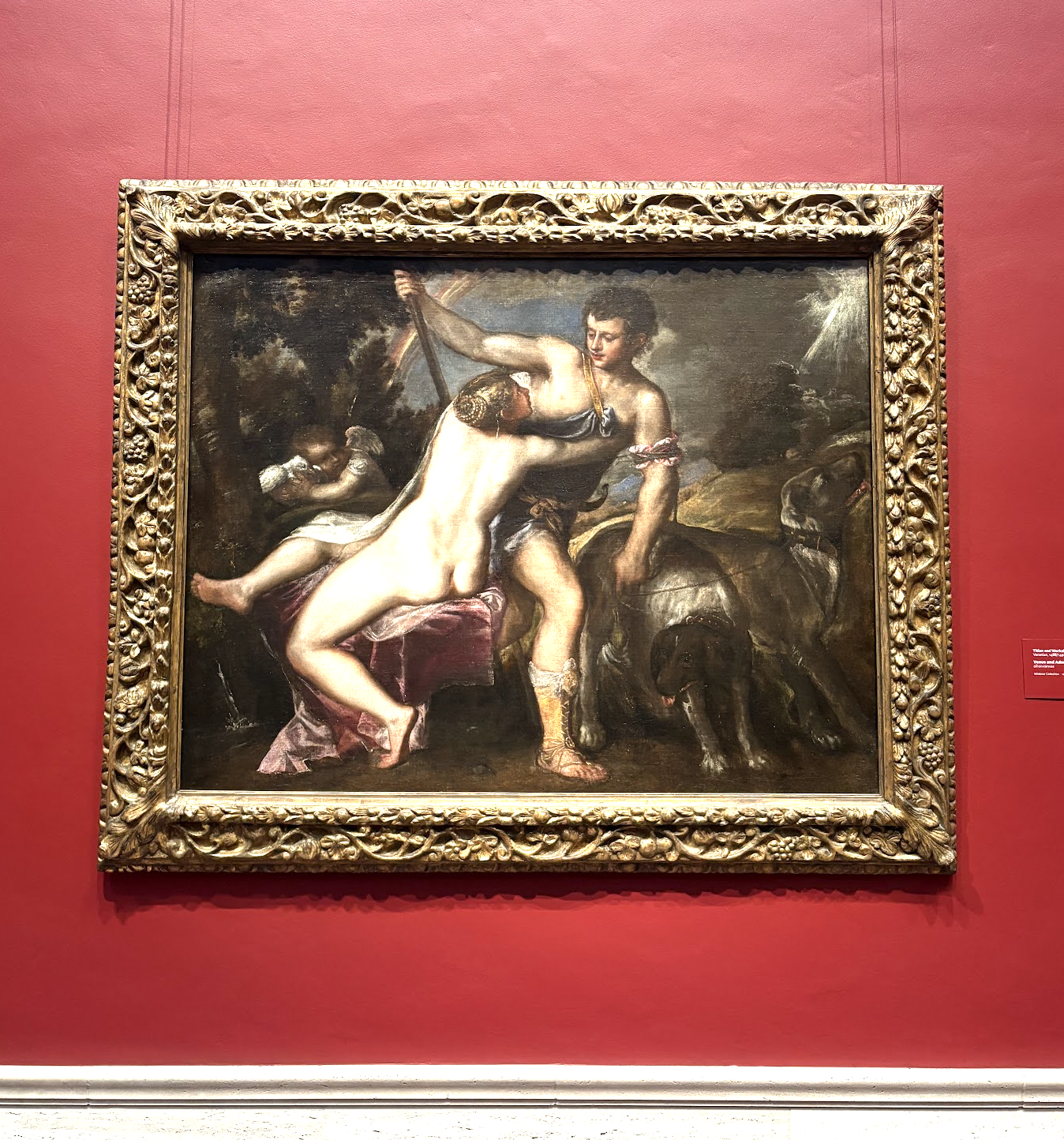
Both Venus and Adonis by Titian and The Judgment of Paris by Peter Paul Rubens were paintings I immediately recognised. The details, texture, and brushstrokes were so cool to be able to see in person! The Judgment of Paris by Rubens is a Baroque piece; it has lots of emotions and very Baroque body styles. Venus and Adonis by Titian is a Mannerism piece, even though it has some Baroque and High Renaissance elements. Mannerism is usually characterized by exaggerated and unnaturally elongated qualities. 

This was definitely one of the coolest classes I’ve taken, and it made a large impact on my joy and love for art. It has been lovely being able to understand the techniques and styles of art I see in everyday life! 

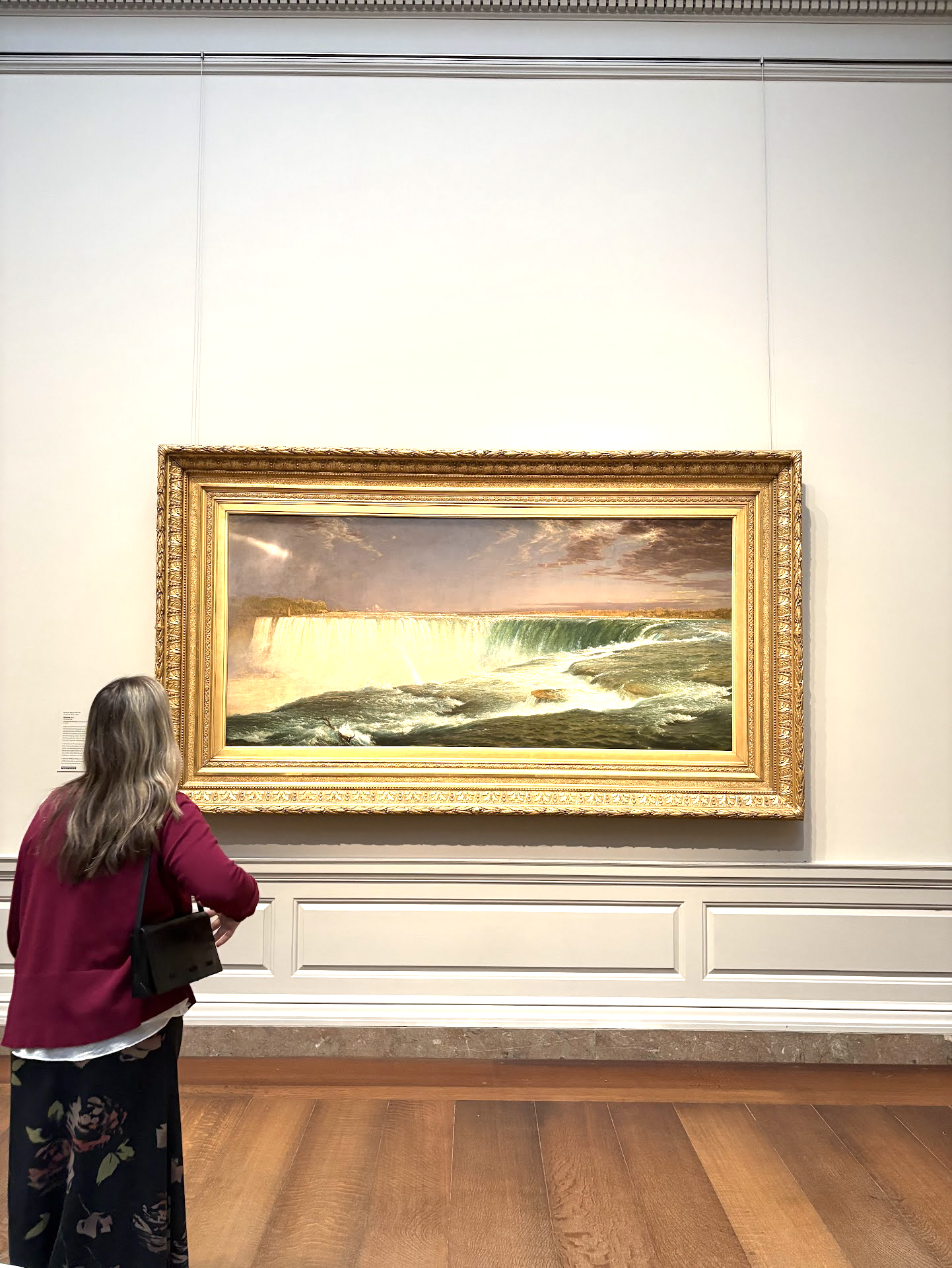
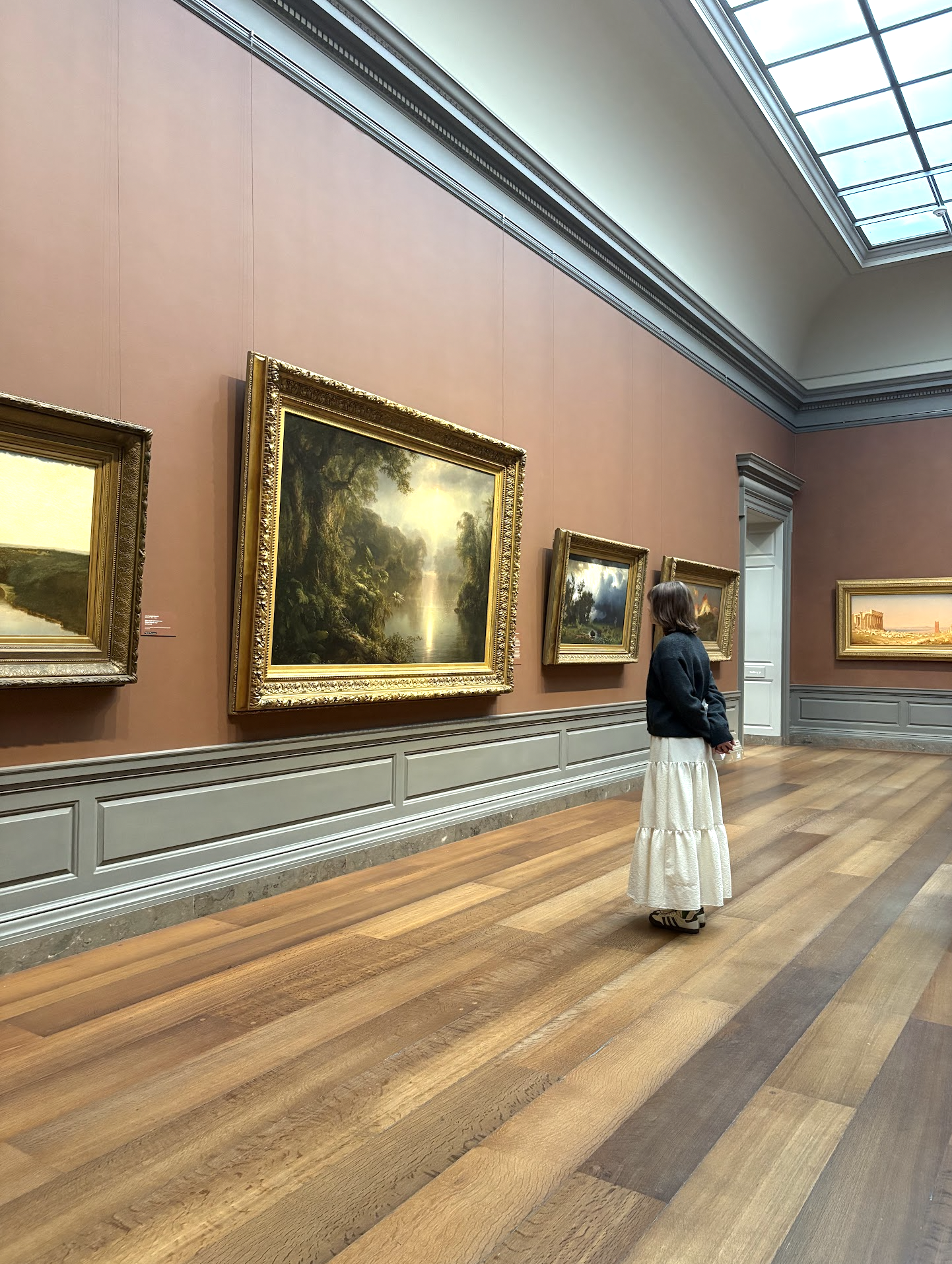
Some pictures from the museum!

Thanks for reading!

Your sincere friend, Rose Crawford