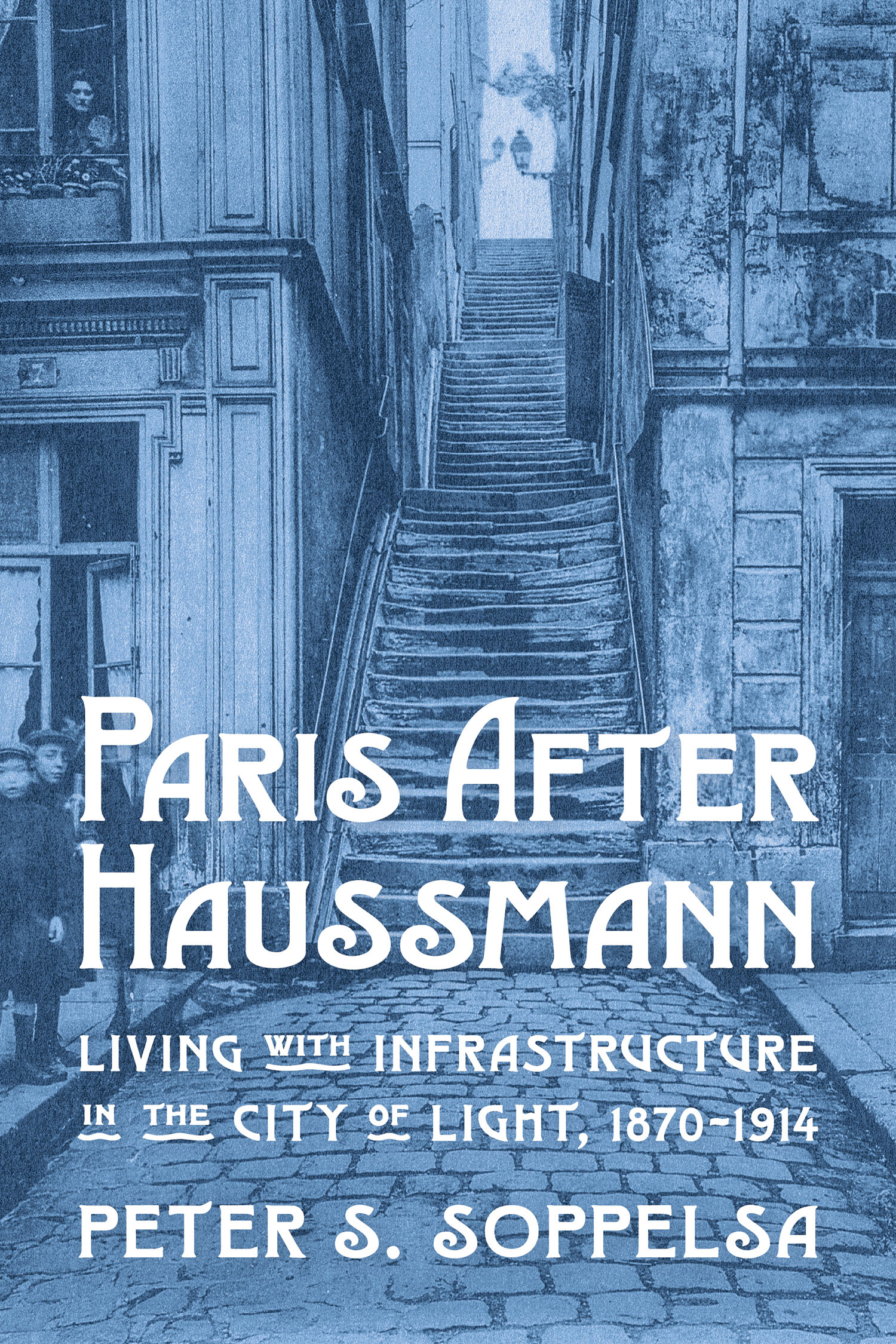
This past Friday, I attended Dr Peter Soppelsa’s talk about his book Paris After Haussmann: Living with Infrastructure in the City of Light, 1870-1914. The talk was titled Postcard from Paris, and the talk ended up being extremely riveting.
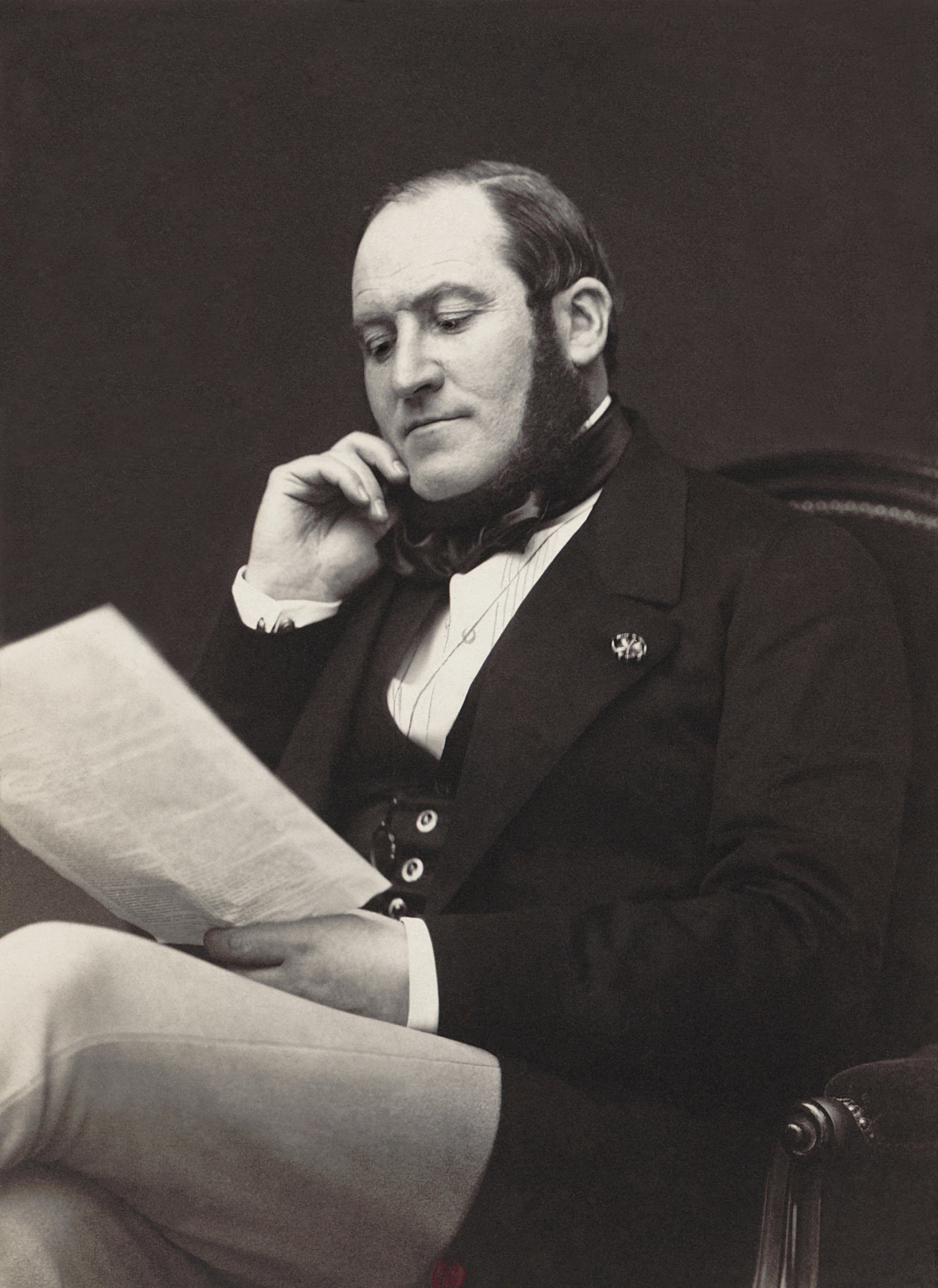
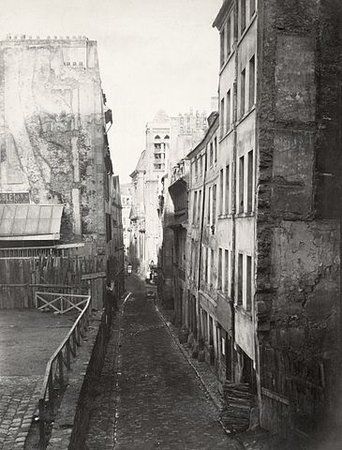
Dr Soppelsa began his talk by explaining what Haussmannization was, and I learned that it was the start of urbanization in Paris by “Baron” Haussmann. There was primary Haussmannization (1853-1870), which was directed by Haussmann himself, and then secondary Haussmannization (1872-1914). Through this process, Paris became known as “the capital of infrastructure” and is the reason why we know Paris as “the City of Lights,” which I had never stopped to consider when the phrase originated. Dr Soppelsa then set the stage for the rest of his talk by explaining how Haussmannization was just as controversial and politicized as modern construction.
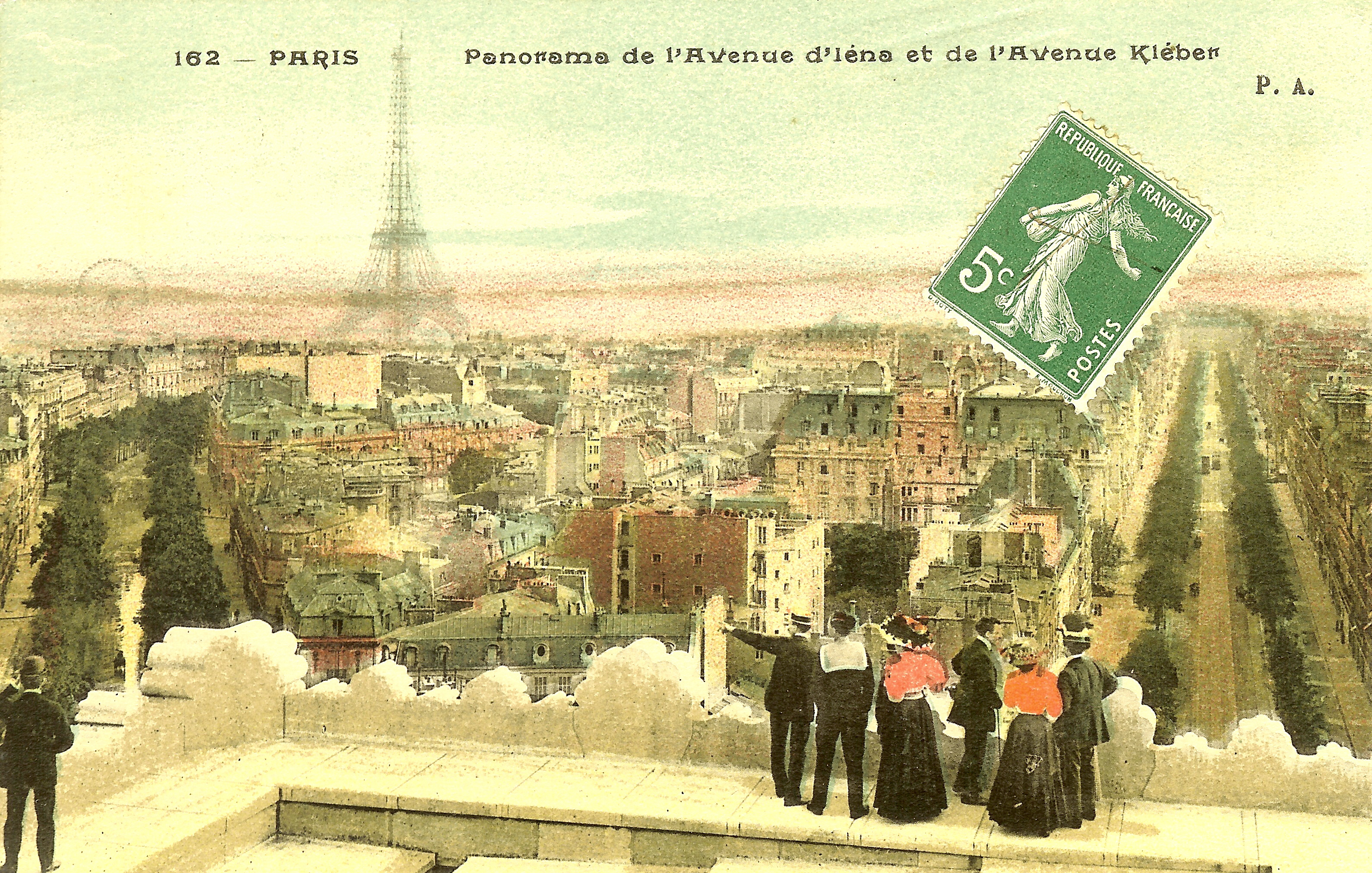
He broke down his book chapter-by-chapter and used postcards or images from each chapter. He then explained the complexities that each postcard presented. For example, chapter one of his book is about the Paris streets. The postcard he showed us was one of a busy traffic crossroads, and he told us a few interesting things about the postcard. First, he explained the obvious: it showcased the chaos of that crossroad, but then Dr. Soppelsa added that the postcard also did another job. He called these additional jobs “inverses.” The inverse was that the person who made the postcard was documenting concern for the safety and flow of traffic. Lastly, he explained how small details in postcards can help us date an image. In the Crossroads postcard, there is a stoplight that was the first of its kind, but it only lasted for a few weeks, so there was only a specific period it could have been made. He then showed us a colored postcard, and he explained that if someone wanted to customize a postcard to send to someone, they had to color it themselves either with watercolors or colored pencils, which I had never thought of someone coloring a postcard.
Out of all the chapters he talked about, chapter 7 stood out the most to me. In chapter 7, he talks about the water supply, and some of the postcards he uses for that chapter are from the “series of underground Paris.” The postcard he showed us was showcasing the sewers, where sewer men are posed in a boat that they used to give tours. Dr Soppelsa explains that the tours did not last long as too many people fell out of the boat, which elicited laughter from the audience. More fascinating about this section of the talk was when Dr Soppelsa explained how sewers are naturally “inversed” as they are not only physically hidden underground but also socially hidden. No one stops to consider the sewer systems that run underground unless they are looking at an image of them.
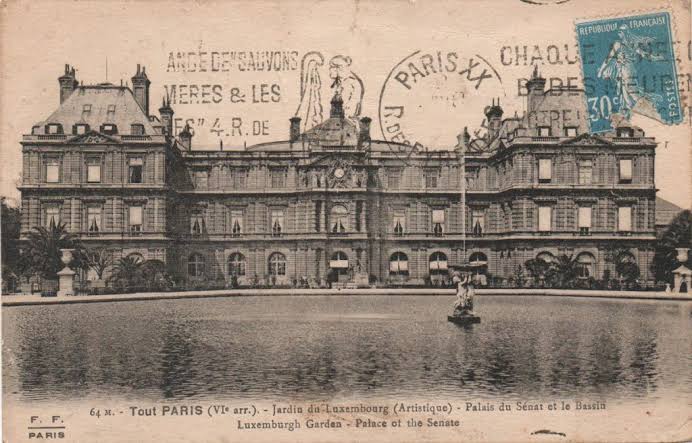
After he wrapped up his talk, it was time for questions. One of the questions asked was about why the postcards were even made in the first place. Dr Soppelsa explained that there were potentially two reasons. One was the more political side, which was the cards that had messages outright condemning the process of Haussmannization. The other side was to show off. Paris, at the time, touted itself as the model of modernization, and it needed visual evidence to share with the rest of the world. Therefore, there are also plenty of postcards that show more idyllic scenes of modern Paris, and Dr Soppelsa showed us some of them. Another person asked about his research process, and he explained how he learned to comb over postcards and pick out details that most people don’t notice. For example, he went back a couple of slides and showed us a vague shadow of a bike in the background of a postcard that I had completely missed. Dr Soppelsa also focused on the images of the postcards instead of looking at anything on the back of them, such as names or addresses, as he was interested in them more as visual context instead of using them for hard data and seeing how they circulated. He also had to consider what the picture did not show, as he explained, “Every picture excludes more than it includes.” Overall, it was evident the amount of work Dr Soppelsa put into the research and crafting of his book, and the talk made me very interested in reading his book as I wanted to hear even more stories pulled out of those old Parisian postcards.

