On September 25, I got the chance to view the restored version of the 1985 Iranian film Bashu, the Little Stranger with the Department of Iranian Studies here at OU. The film was originally created in that year but was banned from release by the Iranian regime until 1989, when it finally came out. This ban has to do with a long history of discrimination against women in Iran: women’s roles have been engrained into the Constitution with one major caveat that determines everything, the phrase “in conformity with Islamic criteria.” Gender restrictions are therefore insanely harsh, with those in charge getting to base their laws off of any personal interpretation of the text–any interpretation that best benefits them. The same founding document sets rules that restrict women’s powers and rights whilst naming men the heads of the households. Under articles of the Civil Code, “a son inherits twice the share of a daughter,” a man is the only one who can make the decision to divorce, and marriage is permitted to a girl even younger than 13 years old. The only permission required is from her guardian and the court, which is restricted to men only.
The reasons for the banning of the film from release under Khomeini’s power in the late 1980s were the relatively progressive and aggressively real portrayals of gender shown by writer and director Bahram Beyzaie. The lead character, Naii, is a woman living in rural Iran while her husband is away fighting in the Iran-Iraq war. She shows strength and independence beyond that of any man in the film, turning over the rigid gender roles in the country at the time. Much of the media in this era was state-controlled, keeping the citizens heavily indoctrinated and influenced by the government’s interpretation of traditional Islamic beliefs. Beyzaie’s character of Naii went against many of those.
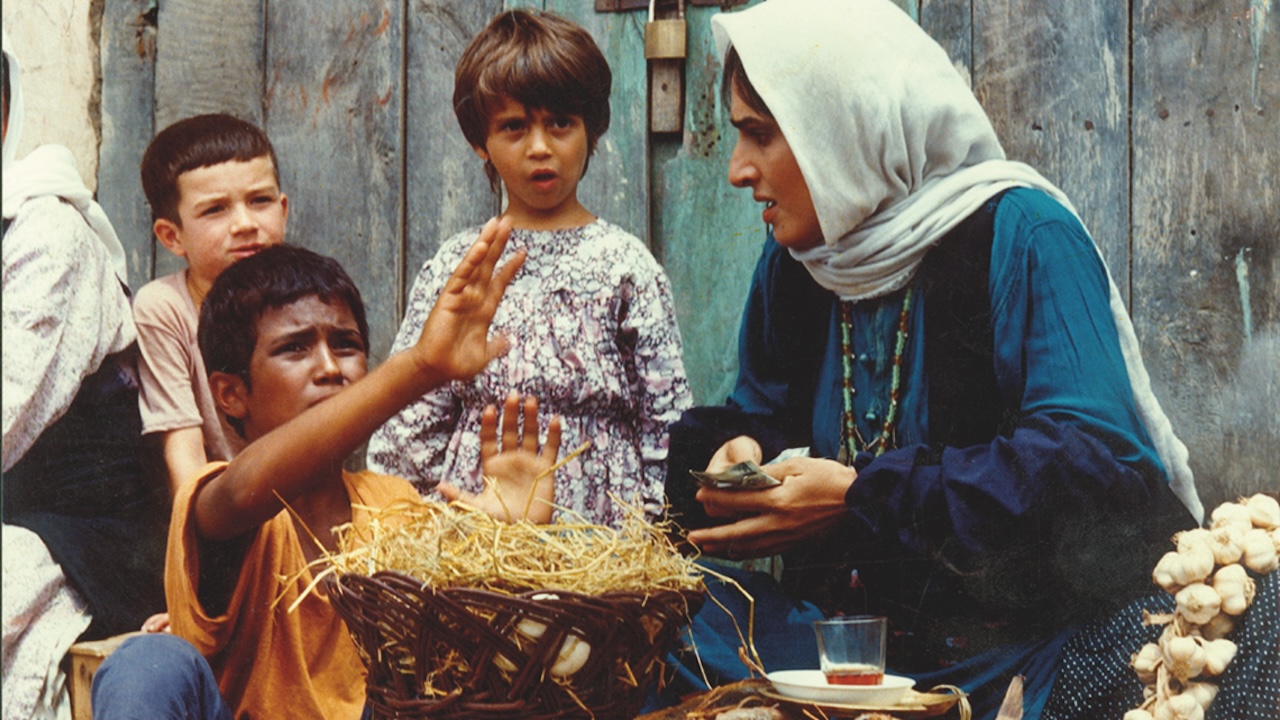
She took in the runaway Bashu after he was displaced from his home by heavy bombing, ending up in a place where he didn’t speak the language and everyone had lighter skin than him. Naii, already struggling to keep herself and her children afloat, went through adversity and challenge to take the boy in. Through this, she showed bravery, a strong set of morals, and a sense of righteousness. There are a few moments in particular in the film that highlight this. After she first began taking care of Bashu, she had many neighbors and relatives over for tea, a group of many older men and a few women. All of them attempted to convince her to leave the boy on his own, displaying racial prejudice and making a point of the difficult situation she was already in. After much ridicule, Naii couldn’t take it anymore and kicked all of them out of the home. “If I ever come back to you asking for help,” she said, “you can spit in my hand.” She was alone and she was the leader of the household as she faced pushback from the community, all while doing the only right thing to do. She didn’t need her elders or any men controlling her–and that was the strong independence that the Iranian regime was afraid of. This was a realistic portrayal of the spirit of Iranian women. Iranian women, more so than the men, had endurance, intelligence, and righteousness. But this idea, when spread throughout the country, would undermine the patriarchal structure set up by power-hungry men and undermine the egos of those born into an unearned dominant half.
The group was once again together later in the film when Bashu had run from the hatefulness of the crowd and fallen into the nearby river, sinking under the lazy and uncaring eyes of a dozen men. Naii was the only one to take action, throwing a net over the boy and tugging him in. Of course, once she had thrown the net, the hands of men greedy to be deemed a hero attempted to grasp at the end of it from behind her to rope the boy in. But Naii did it herself. She didn’t need the help of those who evidently would have been satisfied to let Bashu drown. Again, the ego of the men in power couldn’t handle this type of symbolism being broadcast to theaters around the country. Such a scene would let women know that they could do it all themselves–but they didn’t need to be told this. They already knew. While it was likely the intention of the government to restrict this film because it “showed women they could be strong,” that is not what really was happening. Iranian women already were strong–had to be strong and demonstrate incredible resiliency in the face of such oppression. But rather what was happening was the men of the state demonstrating their weaknesses, and their fears in perhaps knowing deep down (or knowing that history would know) that they hadn’t fully earned their power, but stepped up to thrones with their shoes on women’s backs.
When Naii’s husband got home, he was missing an arm. He couldn’t run the farm or do much of anything to contribute to the family’s wellbeing. Naii became the leader of the household, undermining the unreasonable discriminatory structuring that was a cornerstone of the traditional Islamic ruling.
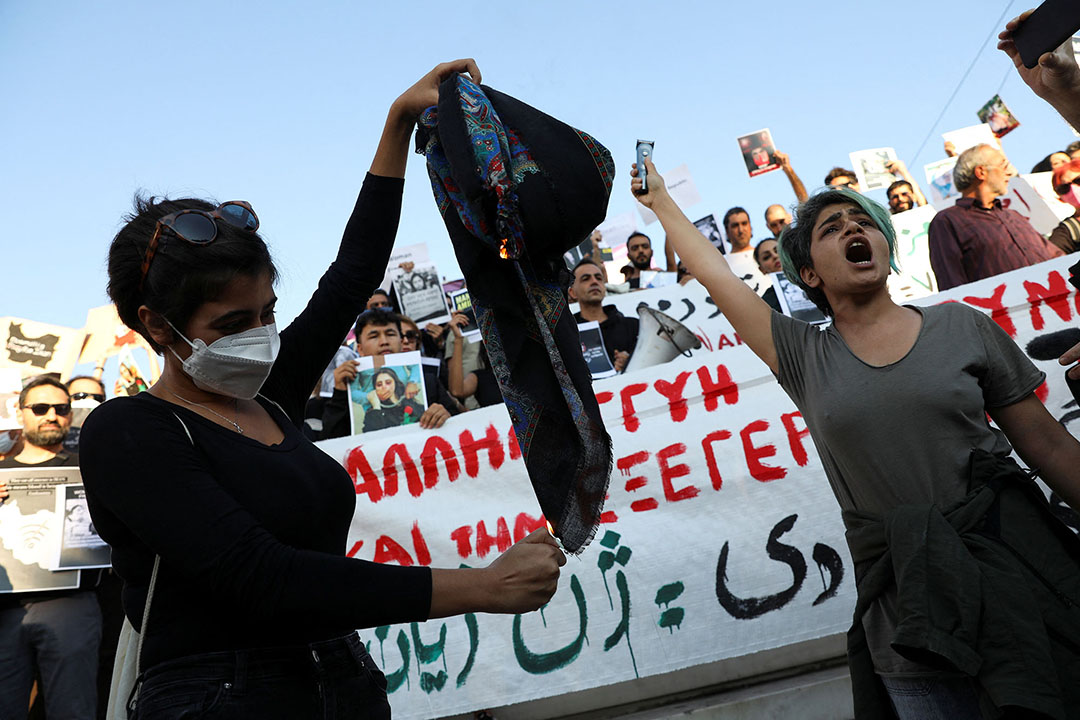
Unfortunately, while it has been held victim to continued violence and change since its founding, Iran has not progressed much in the sphere of women’s rights. This year, Leila Abolhasani was executed for simply filming the protests that had occurred in January. She was 43 years old, and a mother of two. Very similar to Naii in Bashu, the Little Stranger. Women in the state have continued to protest for their rights, showing extreme strength as over 259 women have been killed this year for doing exactly that. They must still follow harsh dress codes and wear hijabs in public–or face the potential threat of being beaten to death by plainclothes officers for solely existing. For just doing the same thing that men do every day without giving it a single thought. Strong gender bias persists in every element of Iranian life, and the current war with the United States and Israel is doing a number to slow any progression and give the government an excuse to continue to discriminate against and kill women. There was a good amount of hope for a while, but the government now faces so many problems that women’s rights have been placed among the least of their worries, while they should remain a top priority. And the women continue to protest. Per the UN Gender Snapshot, released on September 17th, the world is still 171 years away from gender equality. That is a harrowing number. There is no reason for that to ever be as large as it is–no reason for that number to even have to exist. We need to set aside our conflicts, issues, and opinions and put this issue on the front burner. There is no situational excuse and no religious excuse for gender inequality. The people have known this forever. There is a film about it. From Iran in 1985! We are well overdue and it’s time we get to work. Men must be willing to sacrifice the things that they have not ever truly earned.

